Period late? The usual reasons, and when it's worth a check
Almost every woman has a late period at some point. Rule out pregnancy first; after that, stress, weight change, thyroid problems and PCOS are the usual culprits.
Written by: Siratul Jannat (BMDC A-109809) · Medically reviewed by: Siratul Jannat (BMDC A-109809)
A late period can set your mind racing. Before you worry, it helps to know that almost every woman has one at some point, and that a cycle moving a few days either way from month to month is perfectly normal. Doctors usually call a period late when it is 5 or more days past the expected date, and missed when a whole cycle has gone by without one.
The first question: could you be pregnant?
If you have had sex since your last period, even once, and even with a condom, do a urine pregnancy test. Use the first urine of the morning, any day from when your period is late. If it is negative and your period still hasn't come, test again a week later.
If you're not pregnant, the usual reasons are
- Stress. Exams, family trouble, moving abroad or being ill can delay ovulation, and the period follows late.
- A big change in weight. Losing or gaining a lot quickly, or exercising very hard.
- PCOS. Periods often more than 35 days apart, sometimes with acne, extra hair or weight gain.
- Thyroid. A thyroid that is too slow or too active can upset the cycle.
- Breastfeeding. Periods may stay away for months while you are feeding.
- Hormonal contraception. The injection and some pills can make periods very light or stop them. That isn't harmful.
- The years before menopause. After about 40, cycles often become irregular.
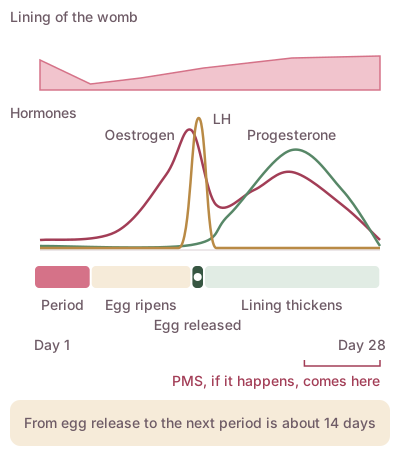
One thing that really helps
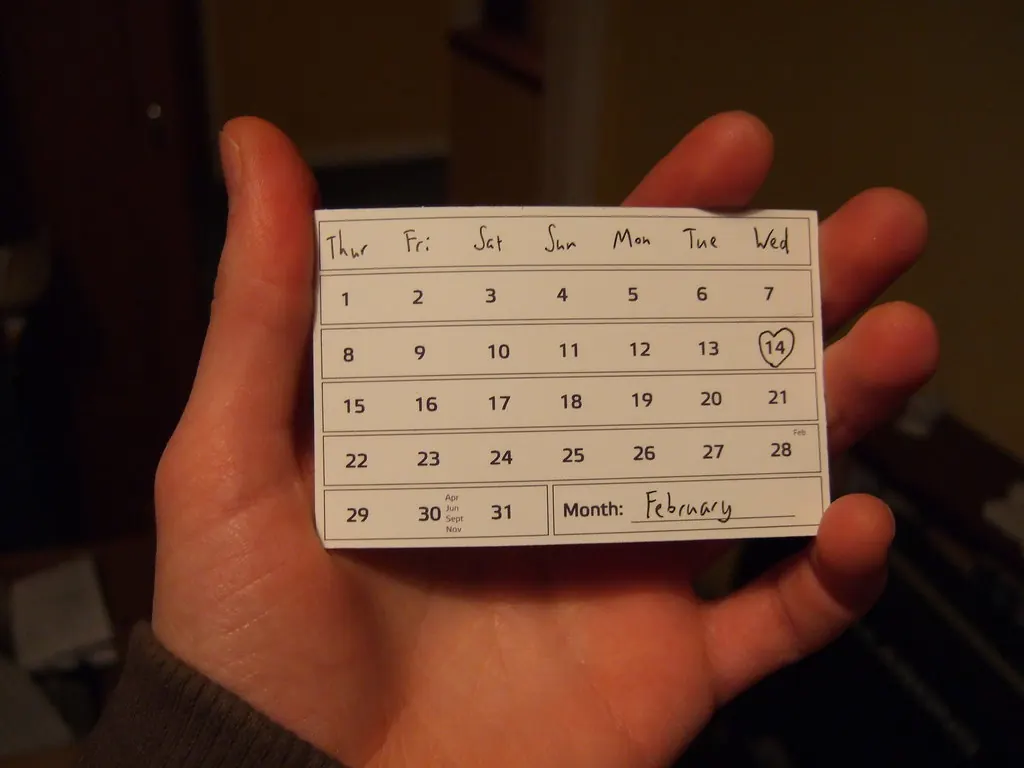
Note the first day of each period for a few months; a calendar on the wall is enough. When you see a doctor, those dates tell her far more than memory can. Meanwhile, eat at regular times, sleep properly and skip crash diets.
See a doctor if
- You've had no period for 3 months and you're not pregnant
- Your periods are often more than 35 days apart
- Irregular periods come with acne, facial hair or weight gain
- Milky fluid comes from your nipples
- You're trying for a baby and your cycles are irregular
Go to hospital straight away if
A late period comes with severe pain low on one side of the belly, pain at the tip of the shoulder, fainting or bleeding. This can be a pregnancy outside the womb (ectopic pregnancy), and it can't wait.
What the doctor will probably check
Usually a pregnancy test, a thyroid test (TSH), prolactin and an ultrasound of the lower abdomen. What happens next depends on the cause, and very often a late period needs no treatment at all.