Period pain: what actually helps, and when it isn't normal
Cramps on the first day or two are common and usually settle with warmth and simple painkillers. Pain that stops you getting on with life is worth getting checked.
Written by: Siratul Jannat (BMDC A-109809) · Medically reviewed by: Siratul Jannat (BMDC A-109809)
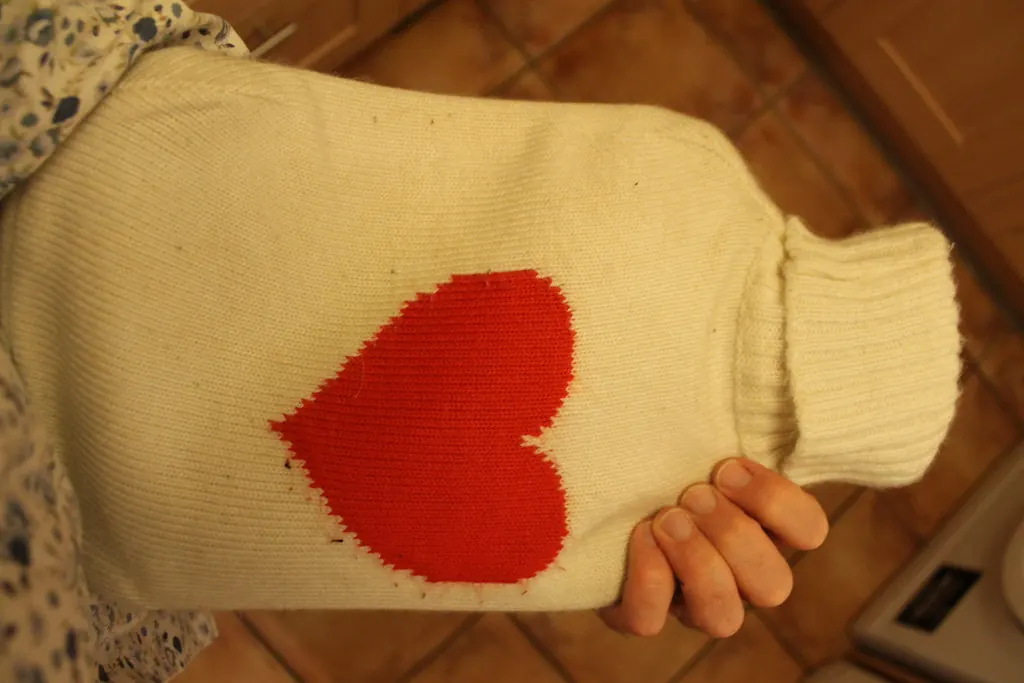
Lots of women get cramps in the lower belly, back or thighs on the first one or two days of a period. The womb is squeezing to shed its lining, and that squeezing hurts. It's common, but that doesn't mean you just have to grit your teeth.
What helps at home
- A hot water bottle or a warm cloth on the lower belly or back
- A warm bath or shower
- A gentle walk or some stretching; lying still often makes cramps feel worse
- Paracetamol
- Anti-inflammatory painkillers, which often work better for cramps, particularly if you take them as soon as the pain starts. Take them after food. If you have a stomach ulcer, asthma or kidney disease, or might be pregnant, check with a pharmacist or doctor first.
Drinking enough water and not skipping meals helps some women too. And there's no need to stop bathing, washing your hair or eating any particular food during your period.
When period pain isn't normal
See a doctor if:
- The pain keeps you from school, work or housework
- Painkillers don't touch it
- It has got worse over the years, or only started after 25
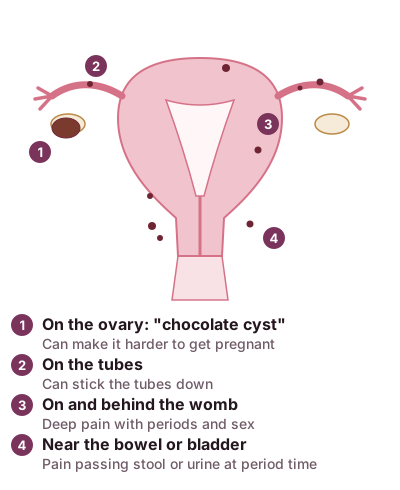
- Sex hurts, during or afterwards
- Your periods are very heavy, or you bleed between them
- You also have a fever or an unusual discharge
These can point to endometriosis, fibroids, adenomyosis or a pelvic infection. Every one of them can be treated.
Go to hospital straight away if
The pain is sudden and severe, you faint or vomit with it, or you have pain with a positive pregnancy test.
At the doctor's
She'll ask about your cycle and may examine you, and an ultrasound of the lower abdomen is often done. If nothing else is found, hormonal pills or other medicines can make periods far less painful. Jot down when the pain starts, how long it lasts and what you've tried; it makes the visit much more useful.