Painful sores at 38 weeks: how Labony's doctor protected her newborn
Labony found painful blisters near her vagina just before her due date. It was a first attack of genital herpes. Why a first infection late in pregnancy changes the birth plan, and why women who've had herpes before can usually deliver normally.
Written by: Siratul Jannat (BMDC A-109809) · Medically reviewed by: Siratul Jannat (BMDC A-109809)
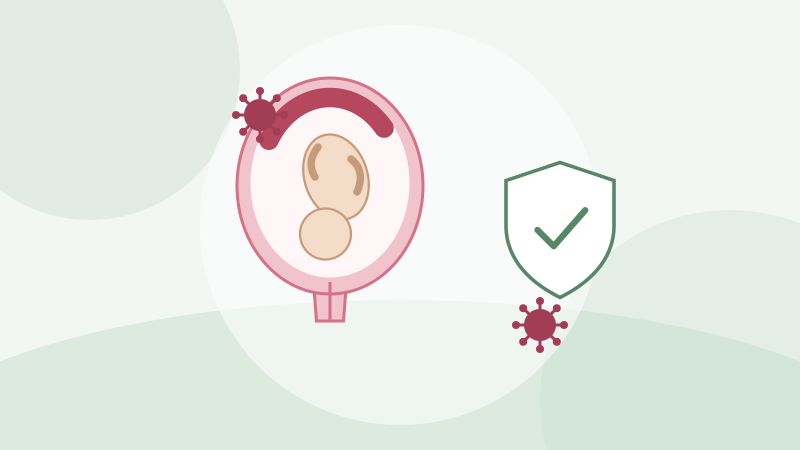
Labony, 26, from Narayanganj, put it down to the heat. At 38 weeks she'd developed small, painful blisters and sores around the opening of her vagina, along with fever, aches and pain when she passed urine.
Her doctor examined her, took a swab, and explained that it looked like genital herpes, a common virus spread by skin contact during sex. Labony had never had sores like it before, and that detail turned out to matter a great deal.
Why the timing matters
When a woman catches herpes for the first time in the last weeks of pregnancy, her body hasn't had time to make the protective antibodies that would pass to the baby. If the baby is born through the birth canal while there are sores, the baby can catch the virus. Herpes in a newborn is rare, but it can be very serious. So when a first episode happens in the last 6 weeks of pregnancy or at the time of labour, a caesarean is usually recommended.
What happened
Labony was given antiviral tablets and pain relief, and told to pass urine sitting in a bowl of warm water to ease the stinging. A planned caesarean was arranged, and the paediatric team was told in advance and examined the baby after the birth. Her daughter stayed well.
If you've had herpes before
Many women already have herpes from before pregnancy, often without knowing it. If you've had sores in the past:
- Tell your doctor. You may be offered antiviral tablets from 36 weeks to cut down outbreaks.
- The risk to the baby is very low, because your antibodies protect the baby.
- A normal birth is usually still possible, even if you have a recurrence around labour; talk it through with your doctor.
Worth remembering
- Painful blisters or sores in the genital area in pregnancy should be seen by a doctor
- Avoid sex with a partner who has cold sores or genital sores, especially late in pregnancy
- Anyone with a cold sore shouldn't kiss a newborn baby
This story is illustrative. Names, places and details are made up; it is not about a real patient.