Hepatitis B in the mother: how to protect your baby
When an antenatal blood test shows hepatitis B (HBsAg) positive, many women are devastated. Mother to baby is the virus’s main route, and two injections within 12 hours of birth protect almost every baby.
Written by: Siratul Jannat (BMDC A-109809) · Medically reviewed by: Siratul Jannat (BMDC A-109809)
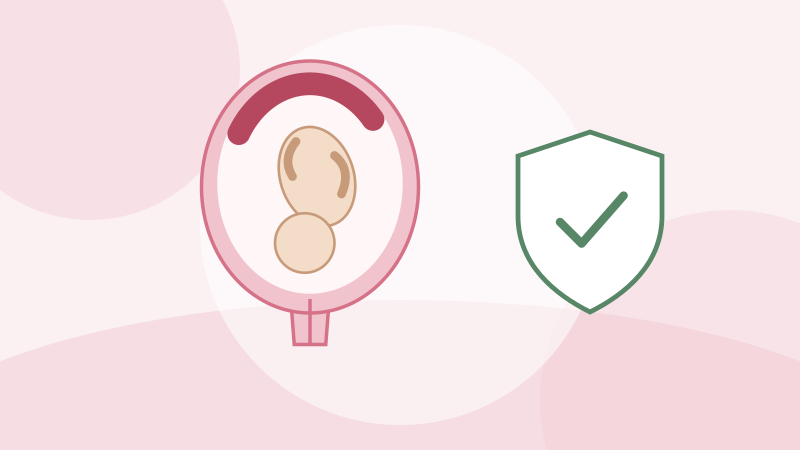
At the first antenatal blood test, many women's reports say "HBsAg positive". It means the hepatitis B virus is in your body. Many had no idea and no symptoms at all. Don't despair. The most important job now is protecting your baby, and that can be done.
Where the baby's risk lies
Hepatitis B passes from mother to baby mainly during the birth, through contact with blood. Without any protection, most babies of mothers with a high viral load become infected. And when infection happens that young, it almost always becomes lifelong, which can later lead to cirrhosis and liver cancer. This is how many people in Bangladesh got hepatitis B.
Two injections that protect the baby
Within 12 hours of birth, as soon as possible:
- The first dose of hepatitis B vaccine (the birth dose)
- Hepatitis B immunoglobulin (HBIG), in the other leg
After that, the hepatitis B doses on the baby's routine vaccine card (the government pentavalent vaccine at 6, 10 and 14 weeks) must be given on time. Done this way, nearly every baby is protected.
The government schedule in Bangladesh doesn't include a birth dose, and HBIG isn't stocked in every hospital and is expensive. So during the pregnancy, agree with your doctor where you'll get them, buy them in advance if needed, and tell the hospital where you'll give birth.
Your own tests
- Liver function (SGPT) and an ultrasound of the liver
- The amount of virus in your blood (HBV DNA), and HBeAg
If the viral load is very high (usually above 200,000 units per millilitre), the vaccines alone aren't always enough. Then the mother is given a medicine called tenofovir from about 28 weeks. It's safe in pregnancy and lowers the risk to the baby further. A liver specialist will decide how long to continue it.
Birth and breastfeeding
- Hepatitis B on its own isn't a reason for a caesarean; a normal delivery is fine.
- Breastfeeding is safe once the baby has had the vaccine and HBIG. If a nipple cracks and bleeds, rest that side for a few days and express and discard the milk, then go back to feeding when it has healed.
- Have the baby's blood tested at 9 to 12 months to confirm they're protected.
For the family
- Your husband and other children at home should be tested, and vaccinated if negative.
- Keep razors, toothbrushes and nail clippers separate.
- It doesn't spread by eating together, sharing plates, hugging or kissing; there's no need to keep you apart.
Looking after yourself
Most people with hepatitis B lead normal lives. But keep seeing a liver specialist after the birth, with liver tests and an ultrasound at least once a year. Avoid kabiraji or "herbal liver" remedies. Tell your doctor at the start of every future pregnancy.