"I stopped my medicine so it wouldn’t harm the baby": Afroza’s epilepsy and pregnancy
When Afroza found she was pregnant, she stopped her epilepsy medicine on her own. Two weeks later she had a fit on the stairs. Why pregnancy with epilepsy can be managed safely, which medicines carry more risk, and why stopping medicine yourself is the most dangerous choice.
Written by: Siratul Jannat (BMDC A-109809) · Medically reviewed by: Siratul Jannat (BMDC A-109809)
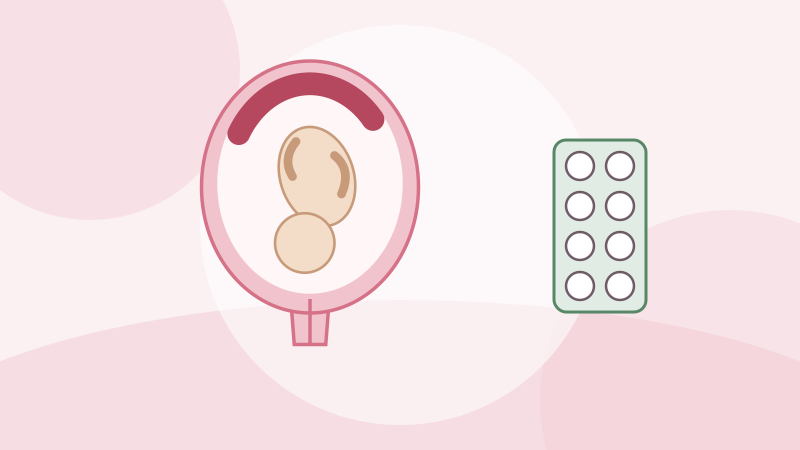
Afroza, 25, from Rajshahi, has had epilepsy since she was fourteen. On carbamazepine she'd gone years without a fit. Two years after her wedding her period stopped, and the test was positive. That night she read online that epilepsy medicines harm babies. The next day she stopped hers, without telling anyone.
Two weeks later she had a fit while coming down the stairs. She fell several steps and cut her forehead. Her frightened mother-in-law said something had "possessed" her. Her husband, Masud, knew she had epilepsy, and took her to hospital.
At the hospital
Her forehead was stitched, and an ultrasound showed the 9-week baby's heartbeat was fine. The gynaecologist called in a neurologist, and together they explained things to Afroza and Masud.
Why stopping medicine yourself is more dangerous
A big fit in pregnancy can make the mother fall and be badly hurt, with a blow to the belly; during a fit the baby gets less oxygen; and, rarely, there's a risk of sudden death from a seizure. The risk of uncontrolled fits is almost always greater than the risk from the medicine. So never stop epilepsy medicine suddenly. If it needs changing, the doctor will change it gradually.
How much risk each medicine carries
Even with no medicine, 2 or 3 babies in every 100 have a birth defect. Epilepsy medicines raise that a little, but the difference between them is large:
- Sodium valproate: the highest, about 9 in 100. It can also affect a child's intelligence and learning. So where possible it's switched before pregnancy.
- Carbamazepine, phenytoin, phenobarbital, topiramate: in between, about 3 to 5 in 100.
- Lamotrigine and levetiracetam: the lowest, close to mothers on no medicine.
One medicine at the lowest dose that works is safer than several.
Afroza's treatment
- Carbamazepine restarted at her old dose. At 9 weeks, weighing the risks and benefits of switching, the neurologist judged this the best course.
- High-dose folic acid, for the first three months and through the whole pregnancy.
- A very careful anomaly scan at 18 to 22 weeks, especially of the spine, face and heart.
- Protecting her sleep, since late nights and missed doses are the biggest triggers for fits. If she vomited a dose up, she was to tell the doctor.
- The neurologist every two months; levels of some medicines fall in pregnancy, and the dose is raised if needed.
The doctor took her mother-in-law aside and explained that epilepsy is a condition of the brain, not possession or jinn, and that medicine controls it. From then on, her mother-in-law reminded her to take her tablets every night.
The rest of the pregnancy, and the birth
The anomaly scan was normal, and she didn't have another fit. Epilepsy isn't a reason for a caesarean; at 39 weeks her son was born by normal delivery in hospital. Her medicine was given on time during labour too. After birth, the baby had a vitamin K injection, which every newborn should have.
After the birth
- Breastfeeding can carry on; most epilepsy medicines cause no problem. Tell your doctor if the baby seems unusually sleepy.
- If someone else shares the night feeds, the mother's sleep is protected.
- Feed sitting low down or on a bed on the floor, and change nappies on the floor. Don't bathe the baby alone; have someone with you.
- Tell your doctor before choosing contraception: some medicines, such as carbamazepine, make the pill less effective. A Copper-T or the injection are good options.
With epilepsy, before pregnancy
- See your neurologist and gynaecologist before you start trying. If you take valproate, ask about switching first.
- Start high-dose folic acid before pregnancy.
- If you become pregnant unexpectedly, keep taking your medicine and phone your doctor that day.
One more thing: if a woman who has never had epilepsy has a fit after 20 weeks of pregnancy, it's often eclampsia, which is life-threatening. Take her to hospital at once.
This story is illustrative. Names, places and details are made up; it is not about a real patient.