IVF (test-tube baby) in Bangladesh: what to know before you start
IVF can help when the tubes are blocked, the sperm count is very low, or other treatments haven't worked. Success depends heavily on the woman's age. Ask plain questions about costs and success rates before you begin.
Written by: Siratul Jannat (BMDC A-109809) · Medically reviewed by: Siratul Jannat (BMDC A-109809)
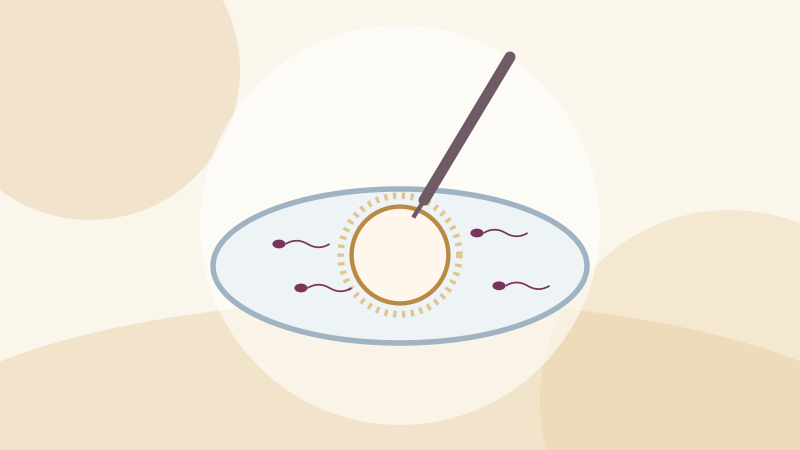
In vitro fertilisation, IVF, or "test-tube baby" treatment, means eggs and sperm are brought together in a laboratory and the resulting embryo is placed in the womb. Several centres in Bangladesh offer it. It can change lives, but it's expensive and emotionally draining, so it's worth going in with clear information.
Who may need it
- Blocked or damaged fallopian tubes
- A very low sperm count or poor movement (often IVF with ICSI, where a single sperm is injected into each egg)
- Severe endometriosis
- Ovulation problems that didn't respond to simpler treatment
- Unexplained infertility after other treatments
- A low egg reserve, where time matters
The main steps
- Stimulating the ovaries: daily hormone injections for about 10 to 12 days to grow several eggs, monitored with ultrasound and blood tests
- Egg collection: a short procedure under sedation, with a needle passed through the vagina under ultrasound guidance
- Fertilisation: the eggs are mixed with sperm, or ICSI is done
- Embryo transfer: usually 3 to 5 days later, one embryo is placed in the womb through a thin tube; extra good embryos may be frozen
- Pregnancy test: about 2 weeks later
What affects success
The woman's age matters most. The chance per cycle is highest under 35 and drops a lot after 40. The cause of infertility, the egg reserve (AMH), sperm quality and the quality of the clinic's laboratory all count too. Many couples need more than one cycle.
Risks
- Ovarian hyperstimulation syndrome: swollen ovaries and bloating, and in severe cases fluid build-up; report severe pain, vomiting or breathlessness
- Twins or more if more than one embryo is transferred; transferring one is safer
- The emotional and financial strain
Questions to ask a centre
- What's your live birth rate (not just pregnancy rate) for women my age?
- What is the total cost, including medicines, tests, freezing and repeat cycles?
- How many embryos do you usually transfer?
- Who does the procedures, and how are emergencies handled?
Before IVF, make sure the basic tests have been done and simpler options considered. Be wary of anyone who guarantees success.