Not getting pregnant? The common causes, in the husband and the wife
Infertility affects about 1 in 6 people worldwide, and the cause is found in the man about as often as in the woman. Testing both of you early saves time, money and blame.
Written by: Siratul Jannat (BMDC A-109809) · Medically reviewed by: Siratul Jannat (BMDC A-109809)
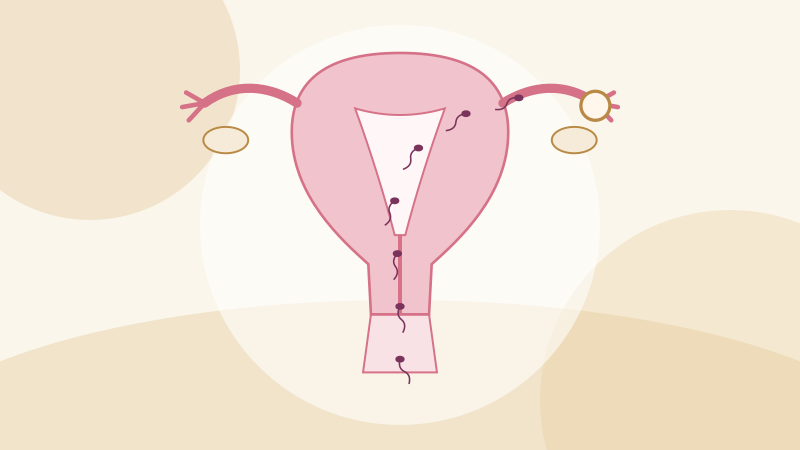
When a baby doesn't come, it's usually the woman in Bangladesh who carries the blame and the pressure. Medically, that's simply wrong. The World Health Organization estimates that about 1 in 6 people worldwide experience infertility, and the cause is found in the man about as often as in the woman. In some couples both partners play a part, and in some no cause is ever found.
When to get help
- After 12 months of regular sex without contraception
- After 6 months if the woman is 35 or older
- Straight away if periods are very irregular or absent, there's been a pelvic infection or surgery in the past, or the man has had problems with his testicles
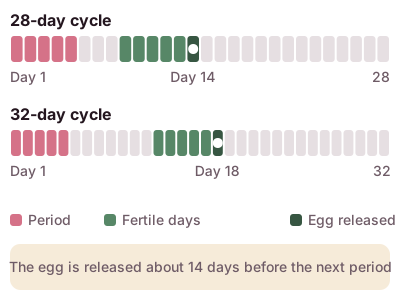
Common causes in women
- Not ovulating regularly: PCOS is the commonest reason; thyroid problems and high prolactin play a part too
- Blocked or damaged tubes: often from an old infection, including sexually transmitted infections, or infection after a birth or an abortion
- Endometriosis
- Fibroids or polyps that change the shape of the womb
- Age: the number and quality of eggs drop, especially after 35
Common causes in men
- Low sperm count, poor movement or abnormal shape
- A varicocele (swollen veins in the scrotum)
- Mumps that affected the testicles, an injury or an operation
- Smoking, alcohol, being overweight, diabetes, some medicines
- Problems with erection or ejaculation
The first tests
- Husband: a semen analysis. It's simple and cheap, so do it early.
- Wife: hormone tests (FSH, LH, prolactin, TSH, sometimes AMH), an ultrasound (often a TVS), a check that ovulation is happening, and later a test of the tubes (HSG or laparoscopy).
Treatment
It depends on the cause: medicine to help ovulation, surgery for blocked tubes or fibroids, treatment for the man's problem, IUI (placing prepared sperm in the womb), or IVF. Many couples need only simple treatment.
Look after each other
Infertility is hard on both of you. Go to appointments together, make decisions together, and get counselling if it starts to feel too much. Be wary of anyone promising guaranteed results or selling expensive "fertility cures".