Sexually transmitted infections: the signs, the tests, and why you're both treated
Many sexually transmitted infections cause no symptoms at all, especially in women. Unusual discharge, sores, pain during sex or lower belly pain should be checked. Care is confidential, and most STIs can be cured.
Written by: Siratul Jannat (BMDC A-109809) · Medically reviewed by: Siratul Jannat (BMDC A-109809)

Sexually transmitted infections, STIs, spread through sexual contact. They're more common than most people think, including among married women who have only ever had one partner. In our society it's a hard thing to talk about, but a doctor's job is to help you, not to judge you.
Why they matter for women
Left untreated, infections such as chlamydia and gonorrhoea can spread up to the womb and tubes (pelvic inflammatory disease), causing long-term pain, ectopic pregnancy and infertility. Syphilis and hepatitis B can pass to a baby in pregnancy, which is why they're tested for at the first antenatal visit.
Symptoms worth checking
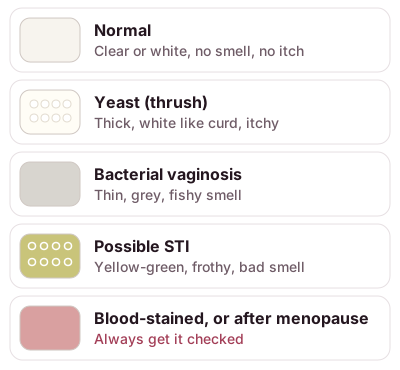
- Unusual discharge, especially yellow, green or foul-smelling
- Sores, blisters, warts or lumps around the genitals
- Pain or burning when passing urine
- Pain during sex, or bleeding afterwards
- Lower belly pain, with or without fever
Many STIs, particularly in women, cause no symptoms at all. If your husband has symptoms such as a discharge from the penis or burning urine, you should be checked too.
Tests and treatment
The doctor may examine you and take swabs, urine or blood. Most bacterial STIs are cured with antibiotics. Viral infections such as herpes, HIV and hepatitis B can't always be cured, but treatment keeps them well under control.
Why you both need treating
If only one of you is treated, the infection just passes back and forth. Your doctor may give treatment for your husband as well, or ask to see him. Avoid sex until you've both finished.
Protection
- Condoms lower the risk of most STIs
- The hepatitis B vaccine protects against hepatitis B
- The HPV vaccine protects against the virus behind most cervical cancer and genital warts
Where to get help
The gynae and skin and VD departments of government hospitals give confidential care. If the infection followed a sexual assault, go to the One-Stop Crisis Centre at a medical college hospital, or call 109.