Your baby's movements: what's normal, and when to go to hospital
Most women first feel their baby between 16 and 24 weeks. Get to know your own baby's pattern. If the movements slow down, change or stop, go to hospital the same day; don't wait until tomorrow.
Written by: Siratul Jannat (BMDC A-109809) · Medically reviewed by: Siratul Jannat (BMDC A-109809)
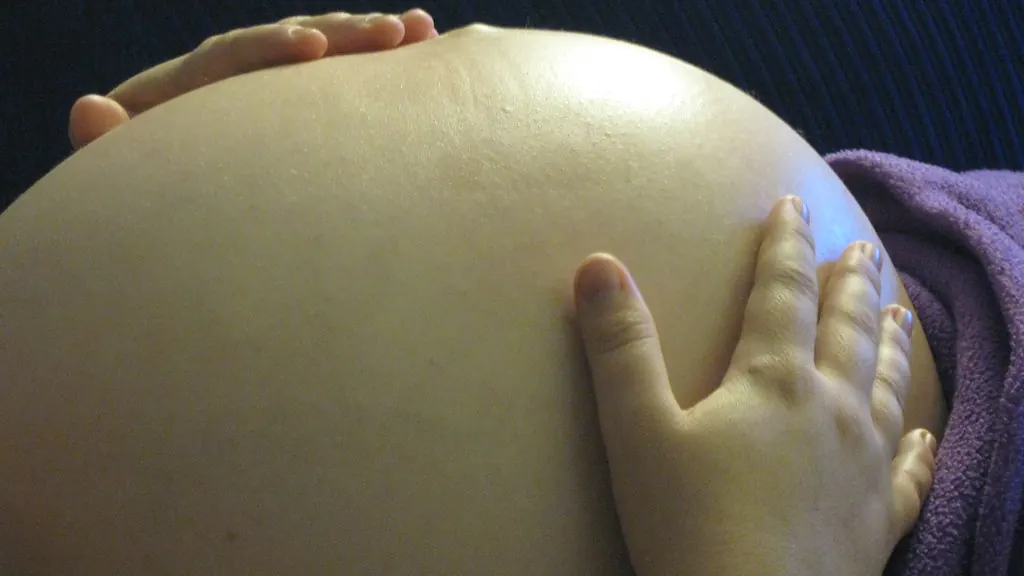
Feeling your baby move is a sign that they're well. A change in movements can be an early warning that the baby needs help, so it really matters to know what's normal for your baby.
When you'll start to feel it
Most women first notice movements between 16 and 24 weeks: a fluttering or bubbling at first, later clear kicks and rolls. In a first pregnancy you may notice it later than in a second.
What's normal
- Movements build up until about 32 weeks, then stay about the same until the birth
- Babies do not move less towards the end. The kind of movement may change from kicks to rolls, but you should still feel your baby regularly.
- Babies sleep for 20 to 40 minutes at a time, rarely more than 90 minutes
- Every baby has its own pattern; get to know yours
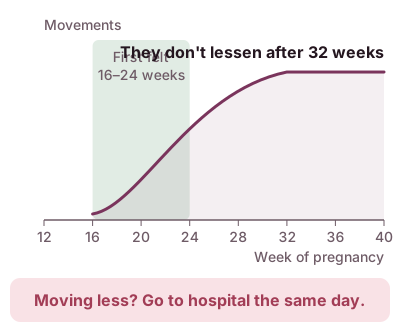
When to act
If you think your baby is moving less than usual, the pattern has changed, or you haven't felt anything:
- Lie on your left side for an hour and concentrate on the movements
- If it still seems less, go to the hospital or your delivery centre the same day, even at night
- Don't wait until the next day or the next check-up
Myths to ignore
- "Drink something cold or sweet to wake the baby up." This doesn't reliably work, and it delays getting checked.
- "A home doppler or a phone app will reassure you." Hearing a heartbeat doesn't mean the baby is well. Only a proper check in hospital can tell you that.
At the hospital
They'll monitor the baby's heartbeat and may do an ultrasound. Most of the time all is well, and no one will think badly of you for coming. If there is a problem, acting early can save your baby's life.