Back pain, leg cramps, swollen feet and varicose veins in pregnancy
As your bump grows, the load on your back and legs grows too. These aches are usually normal and ease with a few simple measures. But some swelling and some pain are warning signs; learn to tell them apart.
Written by: Siratul Jannat (BMDC A-109809) · Medically reviewed by: Siratul Jannat (BMDC A-109809)
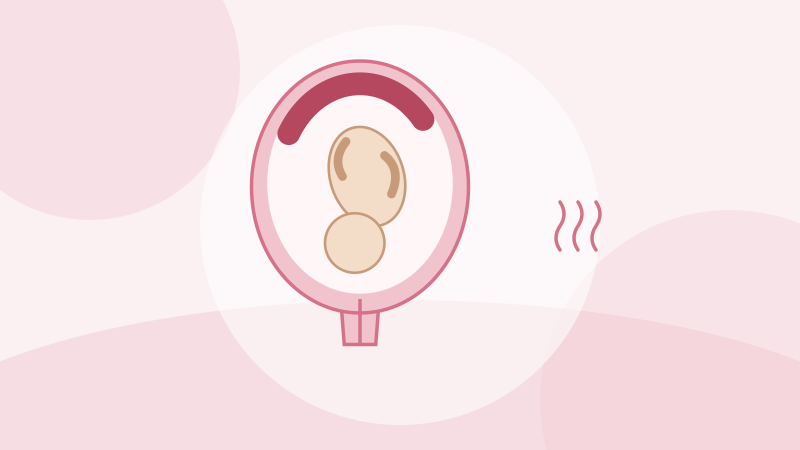
From five or six months, many women get backache, wake at night with a calf suddenly locked in cramp, or find their sandals tight by the afternoon. These are usually just your body changing. But some symptoms that look similar are warning signs, so it helps to know the difference.
Back and lower back pain
Pregnancy hormones loosen the joints of the pelvis so they can open during birth. The growing bump also pulls your weight forward and curves your lower back more. What helps:
- Standing and sitting up straight, with a small cushion behind your back when sitting.
- Bending your knees, not your back, to pick things up. Don't lift heavy buckets or water pots on your own.
- Flat, comfortable sandals rather than heels.
- Lying on your side with a pillow between your knees.
- A warm compress and gentle massage on the sore spot.
- Light walking and the exercises your doctor or physiotherapist shows you.
- Paracetamol if needed. Not ibuprofen or diclofenac painkillers, and not their gels either.
Leg cramps at night
Very common late in pregnancy, and nobody is quite sure why. When it happens, straighten your leg and pull your toes towards you, rub the calf and walk about a little. Calf stretches before bed and drinking enough during the day may help. Keep taking your calcium tablets. A leg that's swollen, red and painful isn't a cramp; see below.
Swollen feet
Some swelling of the feet and ankles in the afternoon is normal in the last three months, especially in hot weather and after standing or sitting for a long time. It goes down overnight.
- Sit or lie with your feet up a few times a day.
- Rest lying on your left side.
- Avoid standing for long stretches; when sitting, move your feet up and down now and then.
- Don't cut down on water; it doesn't reduce swelling.
Varicose veins
Veins in the legs, and even around the vagina, can bulge and turn bluish in pregnancy, especially if you stand a lot. Raising your legs, not standing for long, and support stockings (compression stockings) on your doctor's advice all help. Most settle a lot after the birth.
How to lie
After 28 weeks, get into the habit of going to sleep on your side rather than your back; left or right, whichever is comfortable. On your back, the heavy womb presses on the large blood vessels behind it. If you wake up on your back, don't worry; just turn onto your side again.
Go to hospital straight away if
- Your face, eyelids or hands swell suddenly, especially with a headache, blurred vision or pain below the ribs. This can be pre-eclampsia.
- One leg is swollen, red, warm and painful. This can be a blood clot in a vein (DVT).
- You suddenly become breathless or have chest pain
- Back pain comes and goes at regular intervals and your belly tightens. Labour may be starting; before 37 weeks it's even more urgent.
- Pain in your back or side comes with fever or burning when you pass urine. This can be a kidney infection.