The contraceptive pill: how to take it, what to do if you miss one, and side effects
Taken at the same time every day, the pill is very effective. Take a missed pill as soon as you remember. Mild side effects usually settle within 3 months.
Written by: Siratul Jannat (BMDC A-109809) · Medically reviewed by: Siratul Jannat (BMDC A-109809)
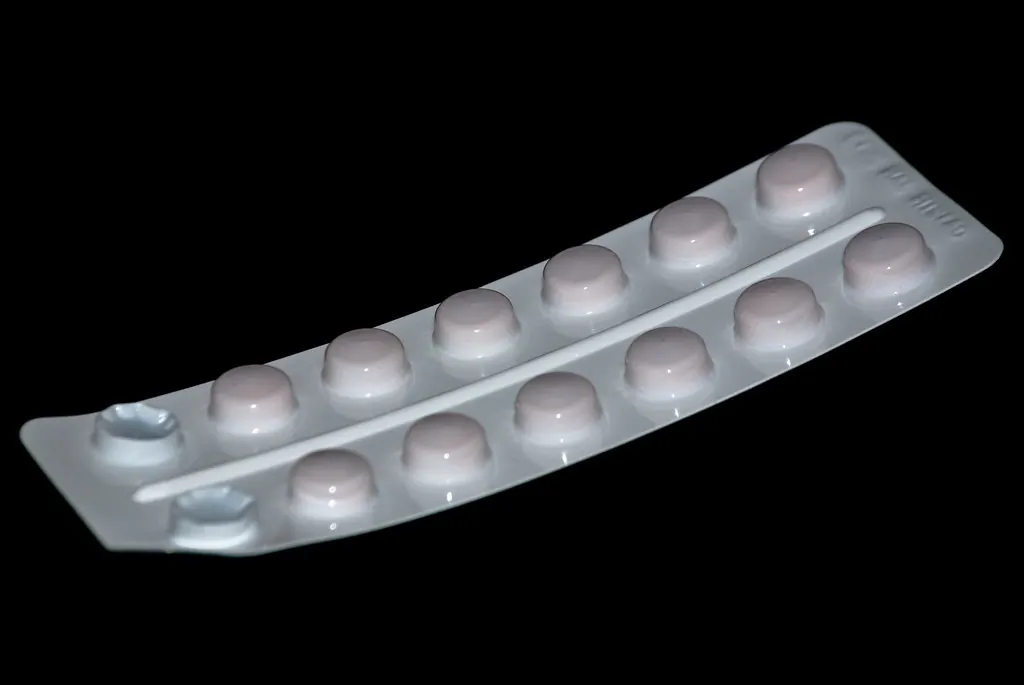
The pill is one of the most popular family planning methods in Bangladesh. Taken properly it's very effective, and it has benefits beyond preventing pregnancy, like lighter, less painful periods.
The two main kinds
- Combined pill (estrogen and progestogen): the most common. Usually 21 active pills, often with 7 iron or inactive pills.
- Progestogen-only pill: suitable while breastfeeding and for women who can't take estrogen. It has to be taken at the same time every day.
Starting
Start on the first day of your period and you're protected straight away. Start on any other day and use condoms for the first 7 days. Set a phone alarm, or tie the pill to something you do every day, such as after dinner.
If you miss a pill (combined pill)
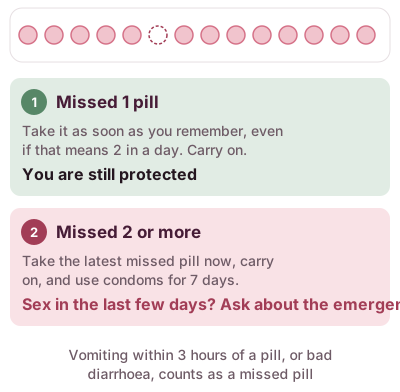
- One missed: take it as soon as you remember, even if that means two pills in one day, and carry on as usual. You're still protected.
- Two or more missed: take the most recent missed pill now, carry on as usual, and use condoms for 7 days. If you've had sex in the last few days, ask a pharmacist or doctor about emergency contraception.
Vomiting within 3 hours of a pill, or bad diarrhoea, counts as a missed pill.
Common side effects
Nausea, tender breasts, headaches and spotting between periods are common in the first 3 months and usually settle. Taking the pill at night with food can help the nausea. If side effects don't go away, a different pill may suit you better.
Who shouldn't take the combined pill
- Women over 35 who smoke
- Anyone with uncontrolled high blood pressure
- Migraine with aura (flashing lights before the headache)
- A past blood clot, stroke or heart disease
- The first 6 weeks after a birth, or while breastfeeding in the early months
Stop and get help urgently if
You get pain and swelling in one leg, chest pain, sudden breathlessness, a severe headache, or weakness down one side of the body.
Myths
The pill doesn't cause infertility, cancer of the womb or lasting weight gain. Fertility comes back quickly once you stop.