The emergency pill: how it works, and how soon to take it
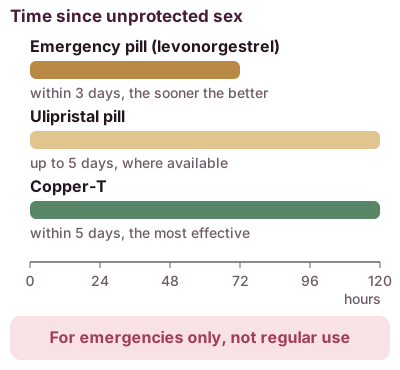
The emergency pill works best taken as soon as possible after unprotected sex, ideally within 72 hours. It stops ovulation; it doesn't cause an abortion. A Copper-T within 5 days is even more effective.
Written by: Siratul Jannat (BMDC A-109809) · Medically reviewed by: Siratul Jannat (BMDC A-109809)
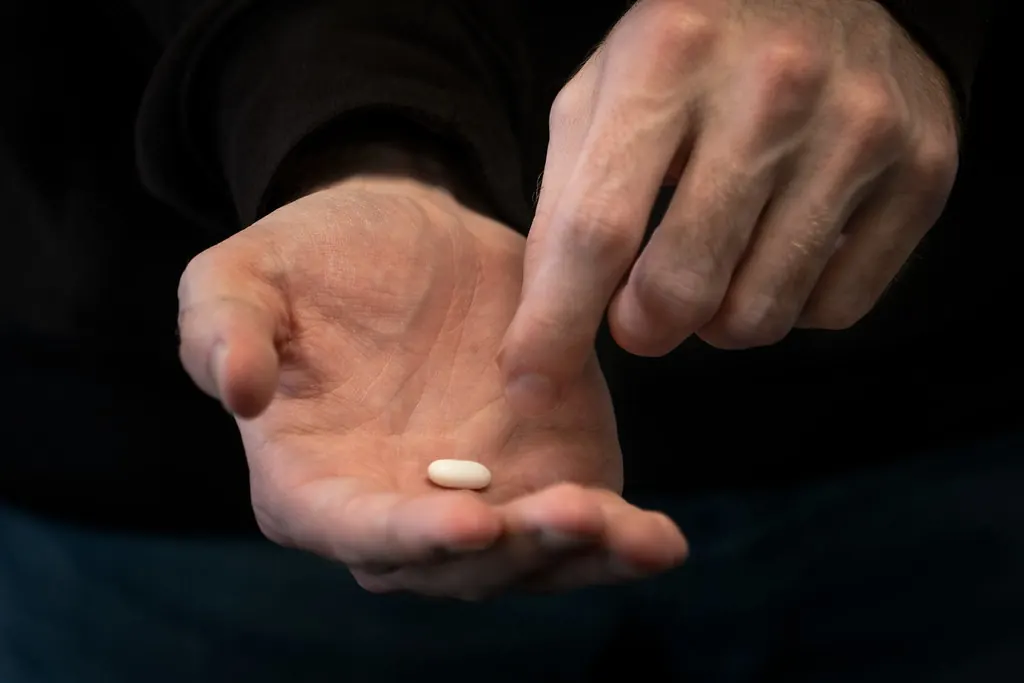
Emergency contraception can prevent a pregnancy after sex without protection, a missed pill, a late injection or a condom that split. Knowing the facts helps you act quickly.
Your options
- The emergency pill (levonorgestrel): take it as soon as possible, within 72 hours (3 days) of unprotected sex. The sooner, the better it works.
- Another kind of emergency pill (ulipristal) works up to 120 hours (5 days), where it's available.
- A Copper-T fitted within 5 days is the most effective emergency method of all, and it then carries on as long-term contraception.
How it works
The emergency pill mostly delays or prevents the release of an egg. It does not end a pregnancy that has already started, and it won't harm a pregnancy if you're already pregnant.
Side effects
- Nausea, headache, tiredness, tender breasts
- Your next period coming a few days early or late
- Some spotting
If you vomit within 3 hours of taking it, it may not have worked; get advice about taking another.
Afterwards
- Do a pregnancy test if your period is more than 7 days late, or is unusually light
- The pill only covers sex that has already happened, not sex later in the same cycle; use condoms or start a regular method
- Some medicines, including some for epilepsy or TB, make it work less well; ask a pharmacist
Not for regular use
Using the emergency pill again and again is less reliable than regular contraception and can upset your periods. If you're needing it often, talk to a doctor or family welfare visitor about a regular method that suits you.
See a doctor if
You have severe pain low in the belly afterwards, or a positive pregnancy test, because an ectopic pregnancy has to be ruled out.