The contraceptive injection: periods stopping, weight, and other worries
The 3-monthly injection is very effective and completely private. It often makes periods stop, which isn't harmful. Fertility can take a few months longer to come back than with other methods.
Written by: Siratul Jannat (BMDC A-109809) · Medically reviewed by: Siratul Jannat (BMDC A-109809)
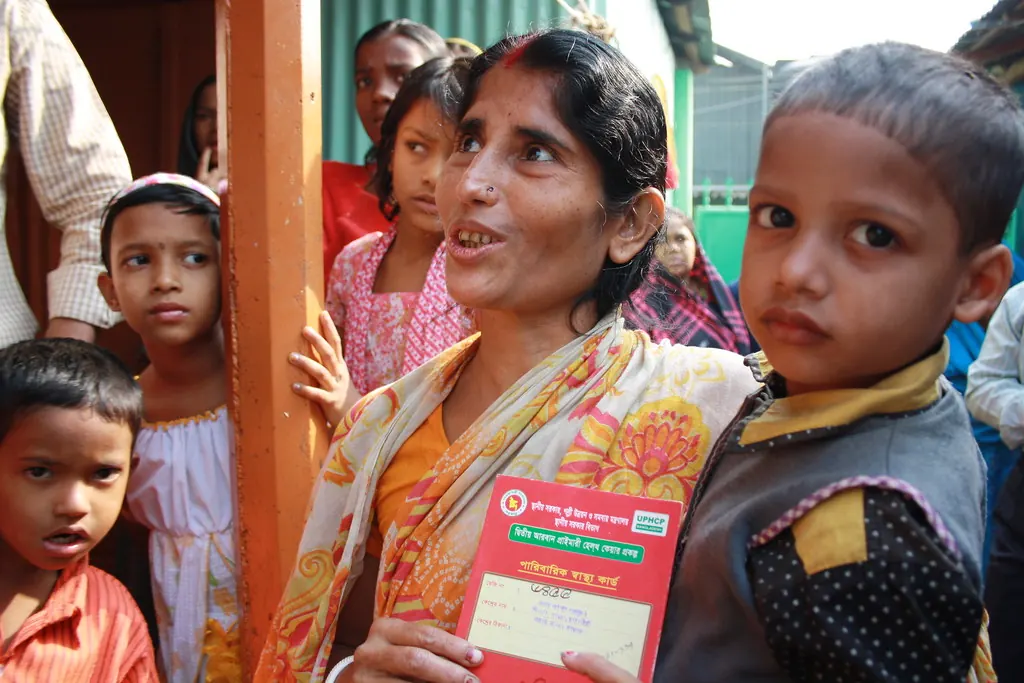
The contraceptive injection is used very widely in Bangladesh. It's given every 3 months (12 to 13 weeks), and it's very effective as long as you go back on time. There's nothing to remember day to day, and no one else needs to know you're using it.
How it works
It contains a progestogen hormone that stops eggs being released and thickens the mucus at the cervix. It's fine while breastfeeding.
"My periods have stopped. Is the blood collecting inside me?"
No. This is the worry we hear most often. The injection keeps the womb lining thin, so there's little or nothing to shed. No blood is collecting or "going bad" inside you. Periods stopping on the injection is normal and harmless. Irregular bleeding or spotting in the first few months is common too.
Weight
Some women put on a little weight on the injection, partly because their appetite goes up. Keeping an eye on portions and staying active helps.
Bones
While you're on it, the injection can slightly lower bone density, which recovers after you stop. Doctors may suggest something else for very young teenagers, or for women who want to stay on it for many years.
Getting pregnant afterwards
After the last injection it can take several months, sometimes up to a year, for fertility to come back. It does come back. If you want a baby soon, a different method may suit you better.
Late for your injection?
If you're more than 2 weeks late (more than 15 weeks since the last one), use condoms and get advice. You may need a pregnancy test before the next injection, and emergency contraception if you've had sex recently.
See a doctor if
You have very heavy or long bleeding, severe headaches, or a positive pregnancy test.