Keeping your bones strong after menopause
Bones lose strength faster after menopause, and fractures become more likely. Calcium-rich food, sunshine for vitamin D, weight-bearing exercise and preventing falls keep them strong.
Written by: Siratul Jannat (BMDC A-109809) · Medically reviewed by: Siratul Jannat (BMDC A-109809)
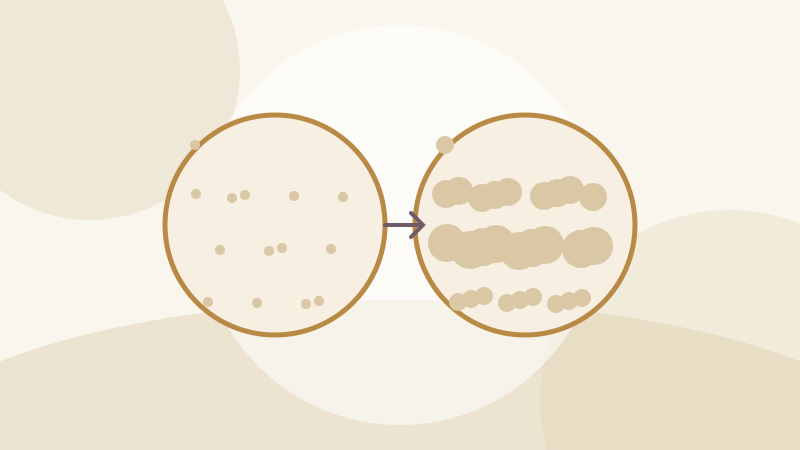
Estrogen helps keep bones strong, so after menopause bone loss speeds up. Some women develop osteoporosis, where bones become thin and break easily, often at the wrist, spine or hip. A broken hip in an older woman can take away her independence. A lot of this can be prevented.
Who's at higher risk
- An early menopause, before 45
- Low body weight
- A parent who broke a hip
- Long-term steroid tablets
- Smoking, being very inactive
- Low vitamin D, which is common in Bangladeshi women who spend little time in the sun or keep the skin fully covered
- An overactive thyroid, and some other conditions and medicines
Food for strong bones
- Milk, curd and cheese
- Small fish eaten with the bones, such as mola and kachki
- Green leafy vegetables, sesame (til), dal and chickpeas
- Enough protein from fish, eggs, meat and dal
If you can't get enough calcium from food, your doctor may suggest calcium tablets, often with vitamin D.
Vitamin D
The skin makes vitamin D in sunlight. Sitting with your face and arms in the sun for 15 to 30 minutes several times a week helps, on the roof or in the courtyard. If your doctor thinks your level is low, a blood test can check it.
Exercise
- Weight-bearing exercise: brisk walking, the stairs, light dancing
- Strength exercises twice a week, with light weights or filled water bottles
- Balance exercises, to prevent falls
Preventing falls at home
- Good lighting, especially at night on the way to the toilet
- No loose mats; wipe up water on the bathroom floor
- A handrail in the bathroom and on the stairs if you can
- Eye checks, and slippers that fit well
The bone density test
A DEXA scan measures bone density. Ask your doctor whether you need one, especially after a fracture from a minor fall, or if you have several risk factors. There are effective medicines for osteoporosis.