Breast cancer: the warning signs, knowing your own breasts, and when to see a doctor
Breast cancer is the commonest cancer in Bangladeshi women. Most breast lumps aren't cancer, but every new lump should be checked. Knowing how your breasts normally feel helps you notice changes early.
Written by: Siratul Jannat (BMDC A-109809) · Medically reviewed by: Siratul Jannat (BMDC A-109809)
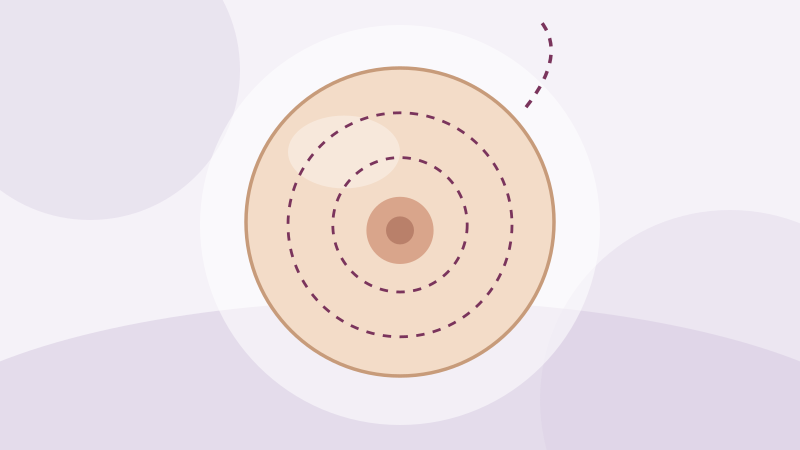
Breast cancer is the most common cancer among women in Bangladesh, as it is worldwide. Many women here reach a doctor late, often out of fear or embarrassment, or because they believe a lump that doesn't hurt can't be dangerous. Found early, breast cancer is far more treatable.
Changes to look out for
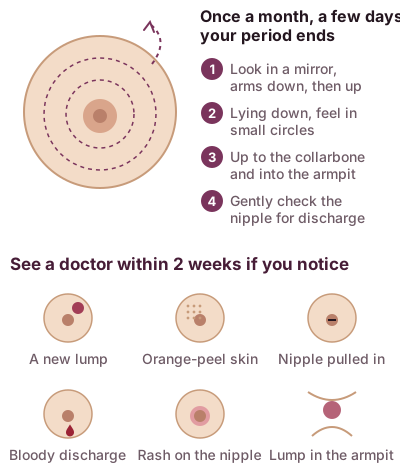
- A new lump or thickening in the breast or armpit, even if it doesn't hurt
- A change in the size or shape of a breast
- Dimpling or puckering of the skin, like orange peel
- A nipple that has turned inwards when it didn't before
- Discharge from the nipple, especially blood-stained, when you're not breastfeeding
- A rash, redness or crusting around the nipple
- Pain in one part of the breast or armpit that won't go away
Getting to know your breasts
Learn how your breasts normally look and feel, so you'll notice if something changes. Once a month, a few days after your period ends (or on a fixed date after menopause):
- Look in the mirror with your arms down, then raised, for changes in shape or skin
- Lying down, use the flat of your fingers to feel each breast in small circles, covering the whole breast up to the collarbone and into the armpit
- Gently check the nipple for any discharge
See a doctor within 2 weeks if
You notice any of the changes above. Most lumps turn out to be harmless, fibroadenomas or cysts for example, especially in younger women. But only an examination and tests can tell.
Tests the doctor may suggest
- A breast ultrasound, especially under 40
- A mammogram, usually over 40
- A needle biopsy, to look at cells from the lump
Myths
- "If it doesn't hurt, it isn't dangerous." Many cancers are painless. Every new lump needs a check.
- "Only older women get breast cancer." It's more common with age, but younger women can get it too.
- "A biopsy makes cancer spread." It doesn't. It's how you get the right diagnosis.
Lowering the risk
Breastfeeding, regular activity, a healthy weight, and staying away from tobacco and alcohol all lower the risk. If your mother or sister had breast or ovarian cancer, ask about starting checks earlier.