"We need to call you back about your mammogram"
Farida, 52, felt nothing wrong, but her screening mammogram showed tiny spots of calcium. A biopsy found a very early, non-invasive change. How screening finds problems before there's a lump, and what a callback really means.
Written by: Siratul Jannat (BMDC A-109809) · Medically reviewed by: Siratul Jannat (BMDC A-109809)
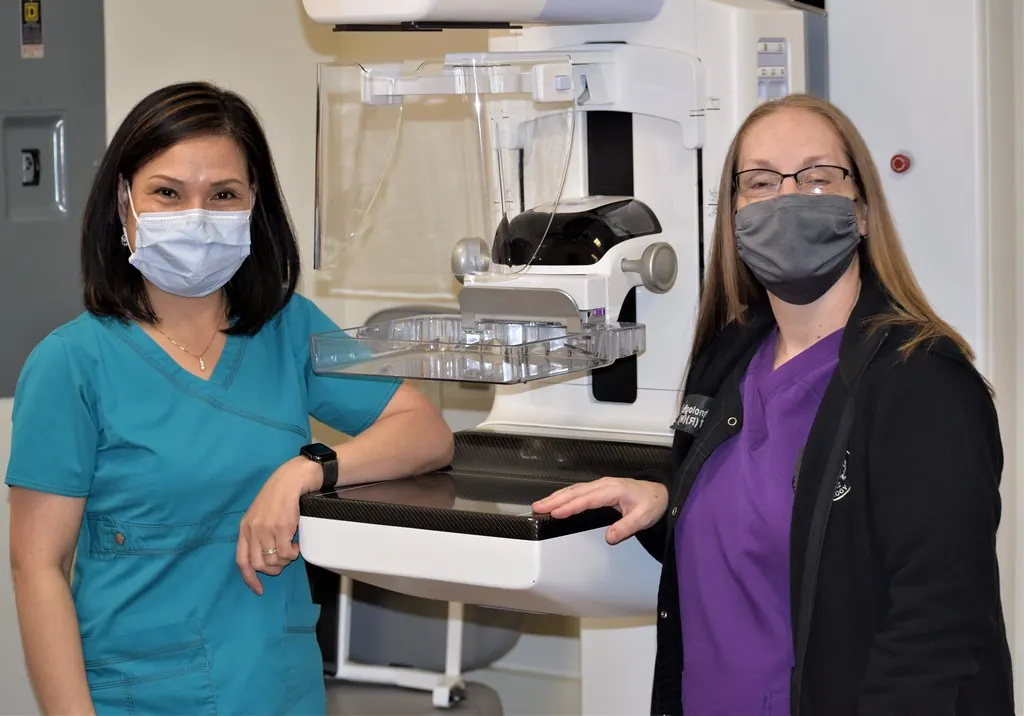
Farida only went for the mammogram because her daughter, a doctor in the UK, kept on at her. She was 52, a retired teacher living in Dhaka, with no lump and no symptoms. A week later the radiology centre rang to call her back for more tests, and she didn't sleep that night.
What a callback means
- Being called back is common, and most women who are called back do not have cancer.
- Reports often use a scale called BI-RADS, from 0 (more images needed) to 5 (highly suspicious). 1 and 2 are normal or benign; 3 is probably benign, with a short-term follow-up; 4 and 5 need a biopsy.
Farida's tests
Magnified images showed a small cluster of microcalcifications, tiny specks of calcium. Most calcifications are harmless, but certain patterns need a closer look. Hers were BI-RADS 4, so a needle biopsy guided by mammogram was arranged.
It showed ductal carcinoma in situ (DCIS): abnormal cells inside the milk ducts that haven't spread into the surrounding breast tissue. It's sometimes called stage 0 breast cancer.
Treatment of DCIS
- Surgery to remove the area with a safe margin (breast-conserving surgery), usually followed by radiotherapy
- Sometimes hormone tablets to lower the future risk
- Treated, the outlook is excellent
Farida had breast-conserving surgery and radiotherapy, and now has a mammogram every year.
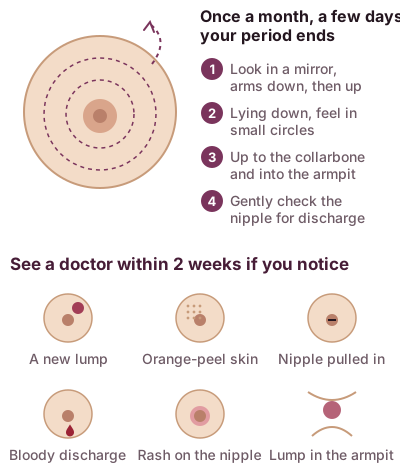
Why screening matters
A mammogram can find cancer, or pre-cancer, before it can be felt, when treatment is at its simplest. Many international guidelines recommend screening every 1 to 2 years from 40 to 50, up to about 74. In Bangladesh, mammography is available at major hospitals and diagnostic centres. Talk to your doctor about when to start, especially if breast cancer runs in your family.
A few practical tips
- Take your previous mammograms so they can be compared
- Don't use deodorant or powder on the day; it can look like calcifications
- If you still have periods, book it for the week after one, when your breasts are less tender
This story is illustrative. Names, places and details are made up; it is not about a real patient.