Breastfeeding troubles: sore nipples, "not enough milk", and breast infection
Most breastfeeding problems come from the baby not latching on deeply enough. A good latch, feeding often and skin-to-skin contact sort most of them out. A hot, red, painful breast with fever needs a doctor.
Written by: Siratul Jannat (BMDC A-109809) · Medically reviewed by: Siratul Jannat (BMDC A-109809)
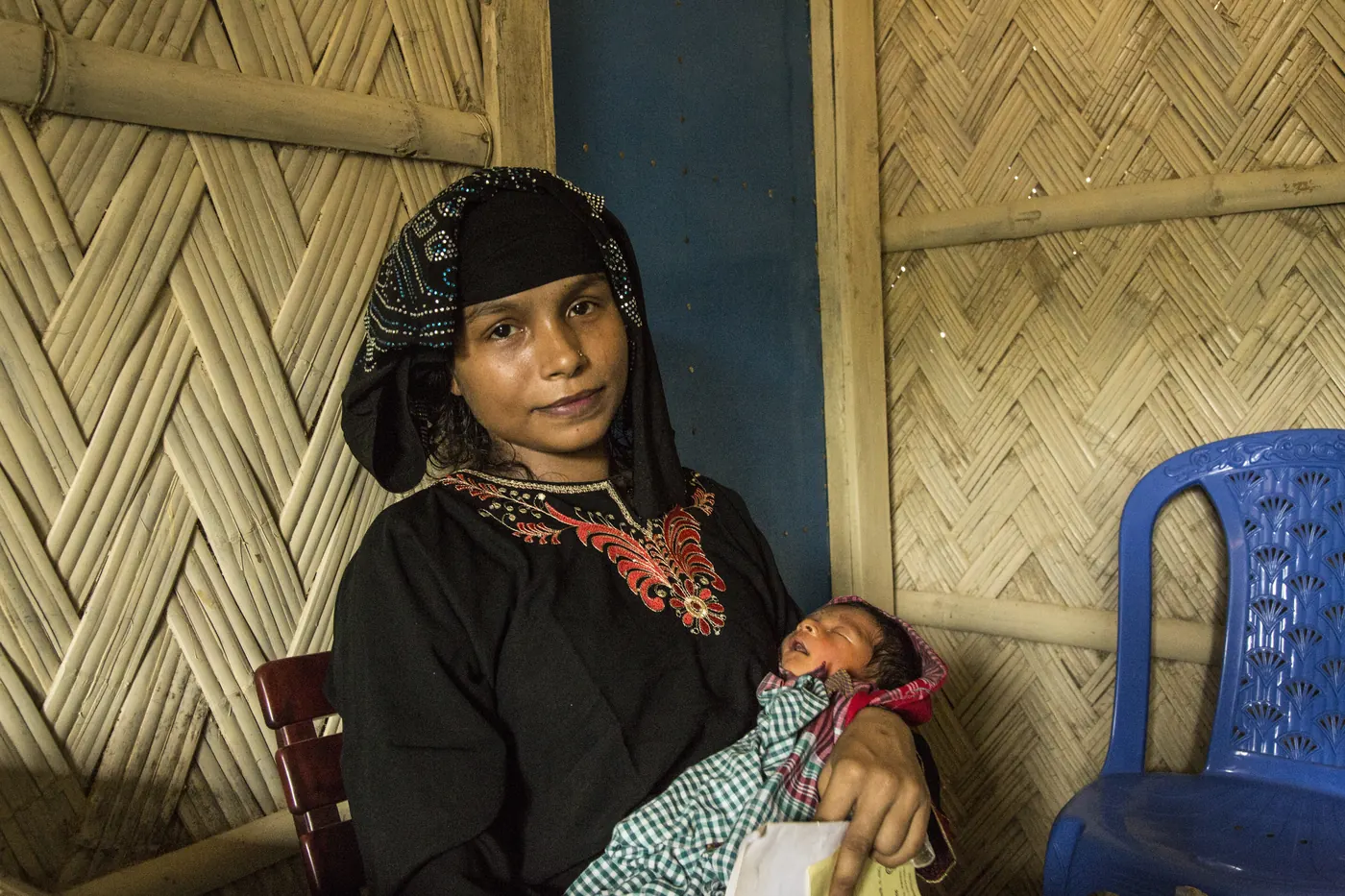
Breast milk alone is the best food for a baby for the first 6 months, and breastfeeding protects both baby and mother. But it's a skill that mother and baby learn together, and problems in the first few weeks are very common. Almost all of them can be fixed.
The secret is a good latch
- Hold the baby close, tummy to tummy, with head and body in a straight line
- Bring the baby to the breast, rather than leaning the breast towards the baby
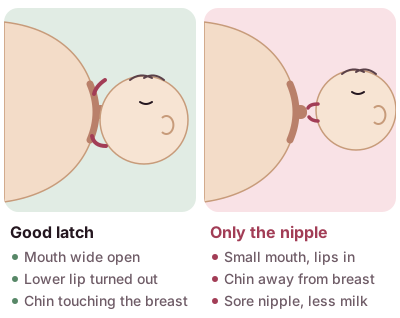
- Wait for a wide-open mouth, then let the baby take a big mouthful of the dark area (areola), not just the nipple
- The baby's chin touches the breast, the lips curl outwards, and you can hear swallowing
Sore or cracked nipples
Some tenderness in the first days is common, but pain right through a feed usually means a shallow latch. Gently break the suction with a clean finger and try again. A little breast milk rubbed on the nipple after a feed helps it heal. Don't use soap on the nipples.
"I don't have enough milk"
This is the worry we hear most. In the first days, that small amount of thick yellow milk (colostrum) is exactly what your baby needs; please don't throw it away. More milk comes in on day 2 to 4. Your supply depends on how often the baby feeds: the more the baby suckles, the more milk you make.
Your baby is getting enough if, after day 5, there are 6 or more wet nappies a day, regular yellow stools, and steady weight gain. Giving water, honey, formula or anything else before 6 months reduces your milk and raises the risk of infection.
Engorged breasts
Hard, full, painful breasts around days 3 to 5. Feed often, hand-express a little milk to soften the breast before the baby latches, and put cool cloths on afterwards.
Mastitis and abscess
A hot, red, painful area of the breast with fever and feeling unwell is mastitis. Keep feeding from that side; it helps clear the blockage and is safe for the baby. See a doctor, as you may need antibiotics. A painful lump that won't settle, or pus, may be an abscess that needs draining.
Where to get help
Ask your midwife, your doctor or a trained breastfeeding counsellor. Getting help in the first week makes a big difference.