Stitches after birth (episiotomy and tears): care and healing
After a normal delivery, many women need stitches in the area between the vagina and the back passage. Sitting hurts, passing urine stings, and you worry the stitches will come apart. How to keep it clean, how long it takes to heal, and which signs not to ignore.
Written by: Siratul Jannat (BMDC A-109809) · Medically reviewed by: Siratul Jannat (BMDC A-109809)
In a normal delivery, as the baby's head comes out, the skin and muscle between the vagina and the back passage (the perineum) stretch a great deal. With a first baby, most women tear a little here, or the doctor makes a small cut (an episiotomy). It's then stitched. This is very common, and with proper care it heals within a few weeks.
How deep a tear goes
- First degree: skin only; it often doesn't need stitches.
- Second degree: skin and the muscle beneath; it needs stitches. An episiotomy is about the same.
- Third and fourth degree: into the muscle around the back passage, or into the back passage itself. These are less common, but they need repairing in theatre by an experienced doctor, and special care afterwards.
The World Health Organization advises against routine episiotomy for everyone; it's done only when needed, for example when the baby needs to be born quickly or instruments are being used.
Keeping clean
- Every time you pass urine or open your bowels, rinse with clean water from front to back, then pat dry with a soft clean cloth rather than rubbing.
- Change your pad or cloth at least four to six times a day, more often if it's soaked. If you use cloth, wash it with soap and dry it in the sun.
- Bathe every day. There's no need to follow any custom of not bathing.
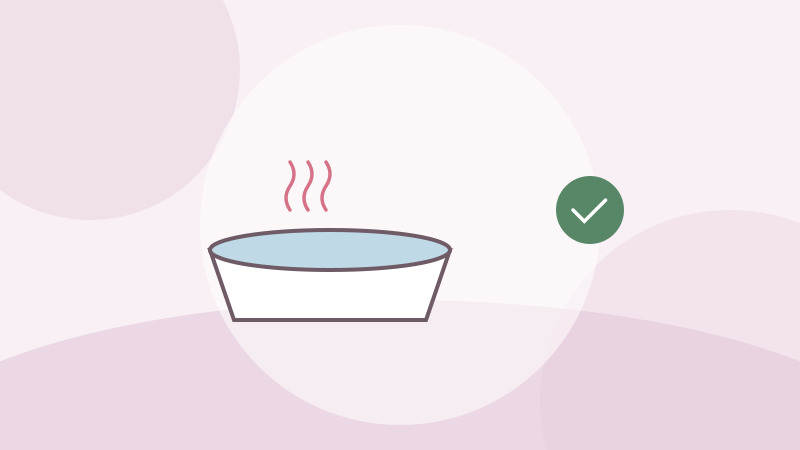
- Sitting in a basin of lukewarm water for 10 minutes two or three times a day is soothing. There's no need to add Savlon, Dettol, salt or anything else.
- Don't put mustard oil, turmeric, lime or any home remedy on the stitches.
Pain and sitting
- Paracetamol at the dose your doctor gives; the doctor can give something else if needed. These are fine while breastfeeding.
- For the first two days, ice wrapped in cloth or a cold pad for 10 minutes at a time.
- Sit leaning to one side, and feed the baby lying on your side.
- If passing urine stings, pour a mug of water over the area while you go, and drink more.
Bowel movements
Many women hold on for fear of the stitches coming apart, which makes the stool harder and more painful. Have water, vegetables, fruit and isabgul; if needed, your doctor will give a syrup to soften the stool. Pressing a clean pad or cloth gently against the stitches while you go gives reassurance. Stitches don't come apart easily.
How long healing takes
Most stitches dissolve by themselves and don't need removing, within two to four weeks. The pain eases from the second week. Some tightness or discomfort can last a few weeks.
When you feel ready, usually after six weeks and once the bleeding has stopped, you can start having sex again. Go gently the first time and use a lubricant. If it hurts, don't force it; tell your doctor. If you want to avoid pregnancy, sort out contraception before then.
Pelvic floor exercises
Squeeze the muscles down below as if stopping the flow of urine, hold for ten seconds and let go, ten times, several times a day. You can start the day after the birth. It improves blood flow to the stitches and reduces leaking urine later.
See a doctor without delay if
- The pain is getting worse rather than better, and the area is red, hot and swollen
- There's pus or a foul-smelling discharge, or a fever
- You think the stitches have come apart
- You can't control wind or stool, or wind or stool comes out of the vagina
- You can't pass urine at all
- You're bleeding heavily with large clots
Not being able to control your bowels can feel too embarrassing to mention, but don't hide it. It can be treated, and the earlier it's found, the better the result.