Jaundice in newborns: when it’s normal and when it’s dangerous
Two or three days after birth, many babies' eyes and skin turn yellow. Most of it clears up on its own. But some jaundice can damage a baby's brain. How to tell the difference, the myths about sunlight and giving water, and light treatment.
Written by: Siratul Jannat (BMDC A-109809) · Medically reviewed by: Siratul Jannat (BMDC A-109809)
Two or three days after birth, many babies' eyes and faces turn yellow. It's very common, seen in one baby in every two or three, and more often in babies born early. Most of the time it's normal and clears up by itself. But in a few babies the jaundice gets so high that it can cause permanent brain damage. So it needs watching.
Why it happens
In the womb, a baby has a lot of red blood cells. After birth these break down, producing a yellow substance called bilirubin. For the first few days, a newborn's liver can't handle that much bilirubin. So normal jaundice appears at two or three days, peaks at four or five days, and goes within two weeks.
How to check
In daylight, near a window, press the skin of your baby's forehead or chest gently with a finger and let go. If the skin looks yellow instead of pale, there's jaundice. It starts at the face, then spreads to the chest, belly and legs. The further down it goes, the higher it usually is. Look at the whites of the eyes and the gums too. On darker skin this is the best way to tell.
See a doctor without delay if
- The yellow appears in the first 24 hours after birth
- It has spread below the belly to the legs, palms or soles
- Your baby is sleepy, won't suck, or is floppy
- Your baby has an unusual cry, arches their body like a bow, or has a fit. This is an emergency; go to hospital at once.
- Stools are white or pale like clay, and urine is dark yellow
- Jaundice lasts more than two weeks (more than three in a baby born early)
- Your baby was born early or very small, or an older child needed treatment for jaundice
- You are Rh negative, or your blood group is O and the baby's is A or B
Tests and treatment
Bilirubin is measured in the blood, and in many places with a device held against the skin. The level is plotted on a chart against the baby's age in hours to decide whether treatment is needed.
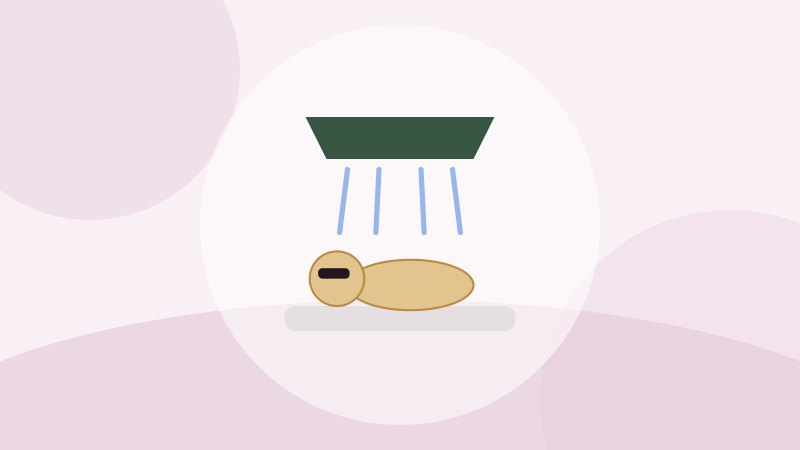
- Phototherapy: the baby lies under a special blue light with their eyes covered, wearing just a nappy. The light breaks down bilirubin in the skin so it leaves in the urine and stool. It's safe and painless. The baby can come out for feeds. It usually takes a day or two.
- Exchange transfusion: if the level is very high or doesn't come down with phototherapy, done in the newborn unit of a large hospital.
Mistakes to avoid
- Treating it with sunlight: sun can burn a baby or overheat them and cause dehydration, and you can't tell how much it's helping. The World Health Organization doesn't recommend it as treatment. If you suspect jaundice, have it measured.
- Stopping breastfeeding: feed more often instead, at least 8 to 12 times a day. More milk means more stools, and bilirubin leaves with the stool.
- Giving water, honey, glucose water or sugar-candy water: it doesn't reduce jaundice and means the baby takes less breast milk. Nothing but breast milk for the first six months.
- Garlands, ritual blowing or kabiraji remedies: they waste time, and in that time brain damage can happen.
Once you're home
If you go home a day or two after the birth, jaundice often rises once you're home. So have the baby seen by a health worker or doctor at three to five days old, especially with a first baby, and check the skin in daylight every day.