"Stop feeding from that side and bind it," her mother said. Jharna did the opposite
Three weeks after the birth, Jharna had a hard, red, painful patch in her breast and a fever. Keeping on breastfeeding, plus antibiotics early, cleared up her mastitis and kept an abscess away.
Written by: Siratul Jannat (BMDC A-109809) · Medically reviewed by: Siratul Jannat (BMDC A-109809)
Jharna's mother meant well. "Stop feeding from that side," she said, "and bind it up tight."
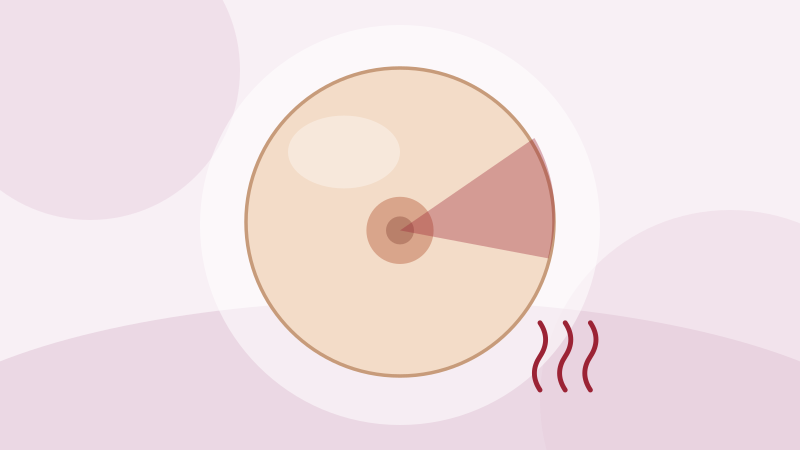
Jharna, 25, from Sirajganj, was three weeks into motherhood. Her nipples had cracked because the baby wasn't latching well, and one morning she found a hard, hot, red, painful patch in her left breast. By evening she had a fever and ached all over.
Her community health worker said the opposite, and sent her to the Upazila Health Complex, where the doctor diagnosed mastitis, inflammation of the breast, often with infection.
Why mastitis happens
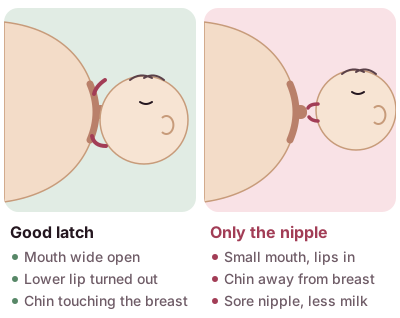
- Milk isn't draining well from part of the breast: a poor latch, missed feeds, tight clothes, or pressure on the breast
- Cracked nipples let bacteria in
What actually helps
- Keep breastfeeding, including from the sore side. The milk is safe for the baby, and emptying the breast is part of the treatment.
- Feed often, at least 8 to 12 times a day, starting on the sore side if you can.
- Get help with latch and position. Jharna's nurse showed her how to bring the baby on with a wide-open mouth.
- Gentle massage towards the nipple, cold compresses after feeds for the swelling, loose clothing, rest, and plenty to drink
- Paracetamol or ibuprofen for pain and fever
- Antibiotics that are safe in breastfeeding, if it isn't better in 12 to 24 hours, or if there's fever with cracked nipples
When it becomes an abscess
If mastitis isn't treated, a pocket of pus (an abscess) can form: a painful lump that won't go away, sometimes with the skin over it shiny or soft. An abscess needs draining with a needle or a small cut, along with antibiotics, and you can usually carry on breastfeeding.
See a doctor if
- You have a fever, or a red, painful area that isn't better within a day
- A lump is still there after treatment
- There's pus from the nipple, or you feel very unwell
Jharna kept feeding, took a week of antibiotics, and recovered completely. "Binding it would have made it worse," she said. "The feeding was the medicine."
This story is illustrative. Names, places and details are made up; it is not about a real patient.