Menopause: the symptoms, what eases them, and looking after yourself after 45
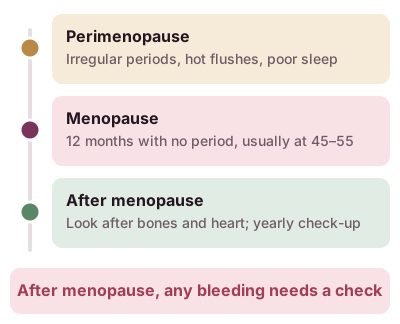
Menopause is a natural stage, confirmed after 12 months without a period, usually between 45 and 55. Hot flushes, poor sleep and mood changes are common, and there's good help available.
Written by: Siratul Jannat (BMDC A-109809) · Medically reviewed by: Siratul Jannat (BMDC A-109809)
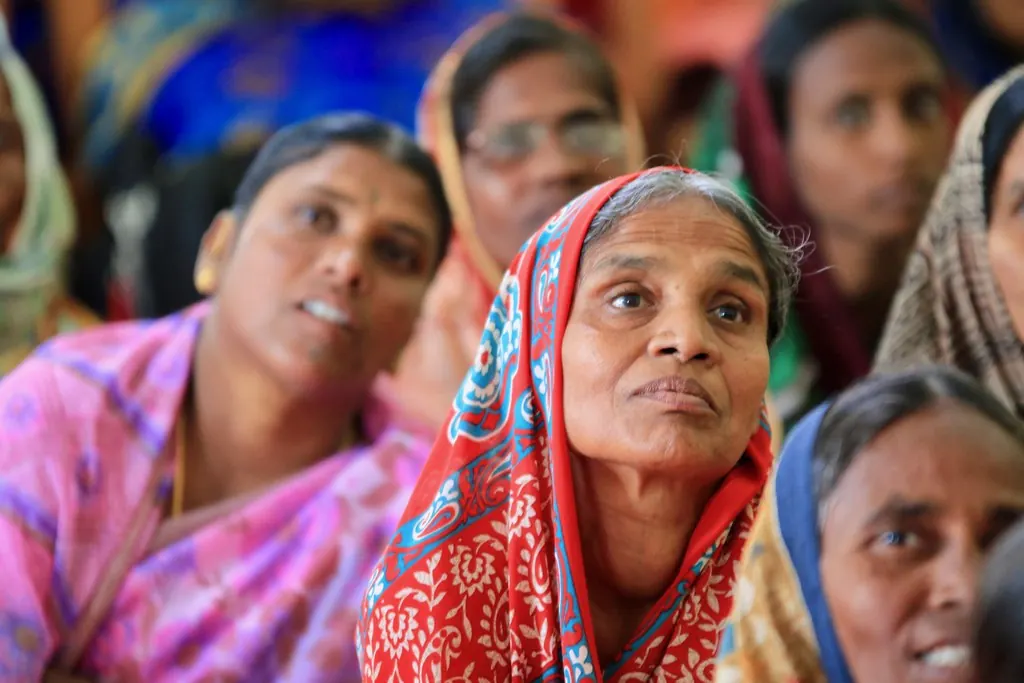
Menopause is when periods stop for good because the ovaries make much less estrogen. It's confirmed after 12 months with no period, and in Bangladesh, as elsewhere, it usually happens between 45 and 55. The years leading up to it are called perimenopause. Menopause isn't an illness, but the symptoms can disrupt daily life, and you don't have to suffer them in silence.
Common symptoms
- Irregular periods in the years beforehand
- Hot flushes: sudden heat in the face and chest, sweating, flushing
- Night sweats and poor sleep
- Mood changes, irritability, anxiety, low mood, forgetfulness
- Vaginal dryness, discomfort during sex, more urine infections
- Aching joints, tiredness
- Less interest in sex
What helps
- Light cotton clothes in layers, a fan, cool drinks
- Cutting down on tea, coffee, spicy food and smoking if they set off flushes
- Regular exercise: walking, yoga, strength exercises
- A regular sleep routine
- Vaginal moisturisers or lubricants for dryness
- Talking to your family; many women feel better once the family understands what's going on
Medical treatment
- Hormone replacement therapy (HRT): the most effective treatment for hot flushes and other symptoms. For most healthy women under 60, or within 10 years of menopause, the benefits usually outweigh the risks. It isn't right for everyone, for example after breast cancer or a blood clot, and your doctor will help you decide.
- Vaginal estrogen: a low-dose cream or tablet for dryness and urine infections, and very safe
- Non-hormonal medicines for women who can't take HRT or would rather not
Your health after menopause
Lower estrogen raises the risk of osteoporosis and heart disease. Keep up regular checks of blood pressure, blood sugar and cholesterol; continue VIA screening until 60; and have breast checks or mammograms as advised.
See a doctor promptly if
- You have any bleeding after 12 months without a period
- Your periods stop before 40
- Periods become very heavy, or come more often than every 3 weeks
You still need contraception until your periods have stopped for 12 months (if you're over 50) or 2 years (if you're under 50).