The baby was fine. Then the dai pulled on the cord
Rina's baby was born safely at home, but pulling on the cord to hurry the placenta caused heavy bleeding, and the womb turned inside out. The minutes after birth are the most dangerous for a mother; here's why skilled care matters.
Written by: Siratul Jannat (BMDC A-109809) · Medically reviewed by: Siratul Jannat (BMDC A-109809)
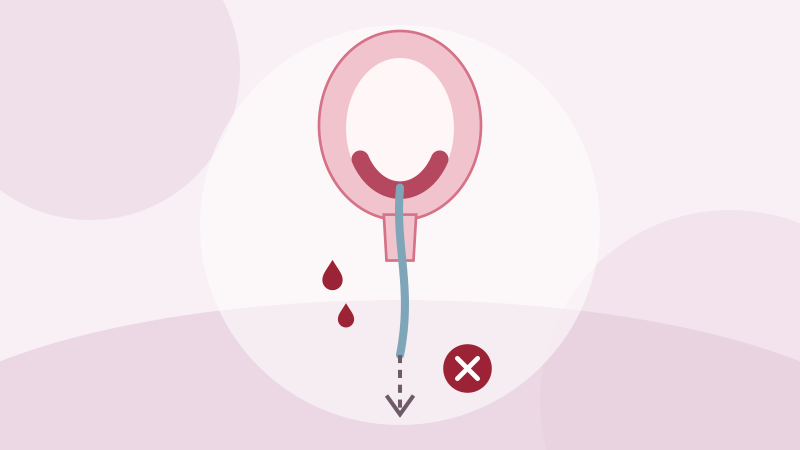
Rina's second baby was born at home in a village in Kurigram, delivered by the local dai, and he was perfectly healthy. Rina was 24. The trouble started afterwards. The placenta didn't come quickly, so the dai pulled hard on the cord to bring it out.
Rina felt a sudden, terrible pain, then a rush of blood, and she began to feel faint. The dai saw a mass coming out of the vagina.
Her husband got her onto a van and then into an ambulance to the Upazila Health Complex. The doctor found that the womb had turned partly inside out, a uterine inversion, which is rare but life-threatening, and that Rina was in shock from blood loss.
What the team did
- Fluids through a drip, and blood arranged
- Gently pushed the womb back into place as quickly as possible
- Medicines to make the womb contract and stop the bleeding
- Removed the placenta safely, then watched her closely
Rina needed two units of blood. She recovered and went home after five days.
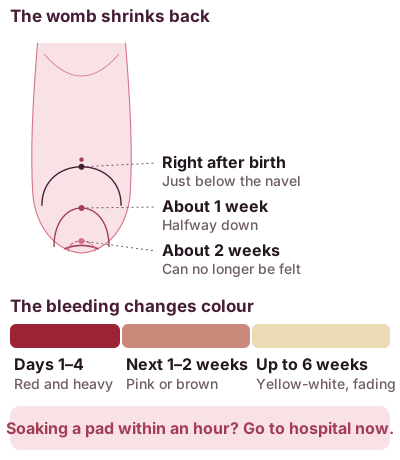
Why the minutes after birth are so dangerous
Heavy bleeding after birth (postpartum haemorrhage) is one of the leading causes of maternal death in Bangladesh. Most of it happens within hours of delivery, usually because the womb doesn't contract well. Good care of this "third stage" prevents most of it:
- An oxytocin injection just after the baby is born
- The placenta delivered gently and in a controlled way by a trained person, never by hard pulling
- Rubbing the belly to keep the womb firm, and checking the bleeding regularly for the first few hours
- Where an injection isn't available, trained community workers may give misoprostol tablets after the birth
Planning a safe birth
- If you can, give birth in a health facility, or with a skilled birth attendant (a trained midwife or CSBA).
- Before the due date, sort out transport, money and a blood donor.
- If you do deliver at home, the placenta must not be pulled out. Bleeding that soaks a pad in under an hour, a mass coming out, severe pain or fainting all mean: hospital, now.
"I trusted the dai. She's delivered so many babies," Rina said. "But nobody ever told us how dangerous the bleeding can be. For my next baby, I'm going to the hospital."
This story is illustrative. Names, places and details are made up; it is not about a real patient.