Periods, sex and getting pregnant again after a baby: what to expect
You can get pregnant again before your first period comes back. Most couples can resume sex after about 6 weeks, once the bleeding has stopped. Waiting at least 2 years before the next pregnancy is healthiest.
Written by: Siratul Jannat (BMDC A-109809) · Medically reviewed by: Siratul Jannat (BMDC A-109809)
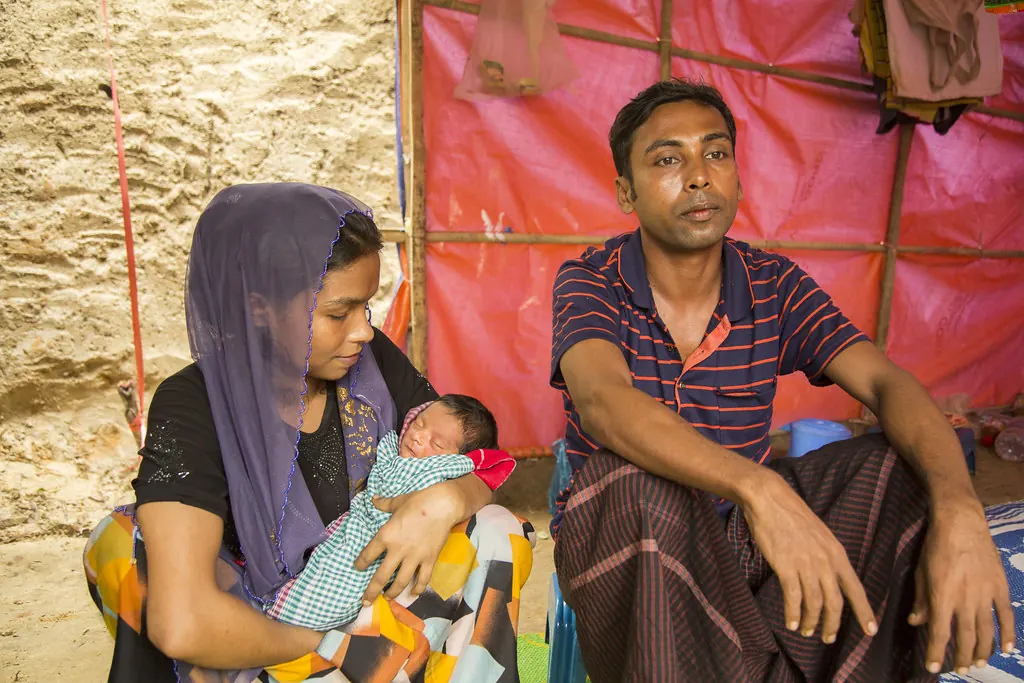
After a baby, a lot of couples aren't sure when life goes back to normal. These are common, important questions, not least because a new pregnancy can happen much sooner than people expect.
When will my period come back?
- Not breastfeeding: usually 5 to 6 weeks after the birth
- Breastfeeding only: often not for several months, sometimes not until the feeds start to drop
- The first few periods may be irregular, heavier or lighter
You can get pregnant before your first period
You ovulate before you bleed, so you can conceive without having had a single period since the birth. Breastfeeding only protects you reliably if all three are true: the baby is under 6 months, is having nothing but breast milk day and night with no long gaps, and your periods haven't come back. Otherwise, use contraception.
When is sex safe?
Once the bleeding has stopped and you feel ready, usually around 6 weeks after a normal birth or a caesarean. If you had stitches, let them heal fully. The first time may feel uncomfortable. Breastfeeding can make the vagina dry, and a water-based lubricant helps. Pain that doesn't get better should be checked.
Contraception after the birth
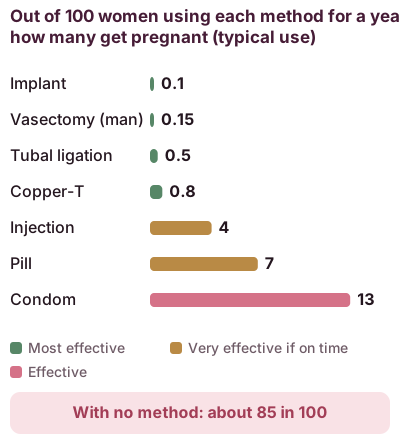
- Copper-T or implant: can be fitted soon after the birth or at the 6-week check
- Progestogen-only pills and the injection: safe while breastfeeding
- Combined pills: usually started after 6 months if you're breastfeeding, as they can reduce your milk
- Condoms: any time
- Permanent methods for the man or the woman, once the family is complete
Family welfare centres give most methods free.
Spacing your children
The World Health Organization advises waiting at least 2 years after a birth before trying for the next baby. Pregnancies close together raise the risk of anaemia, early birth and a low birth weight.