When the sadness after birth doesn't lift: postnatal depression
Feeling tearful in the first days after birth is common. Low mood, anxiety, guilt or loss of interest that lasts more than two weeks may be postnatal depression. It's common, it isn't your fault, and it can be treated.
Written by: Siratul Jannat (BMDC A-109809) · Medically reviewed by: Siratul Jannat (BMDC A-109809)
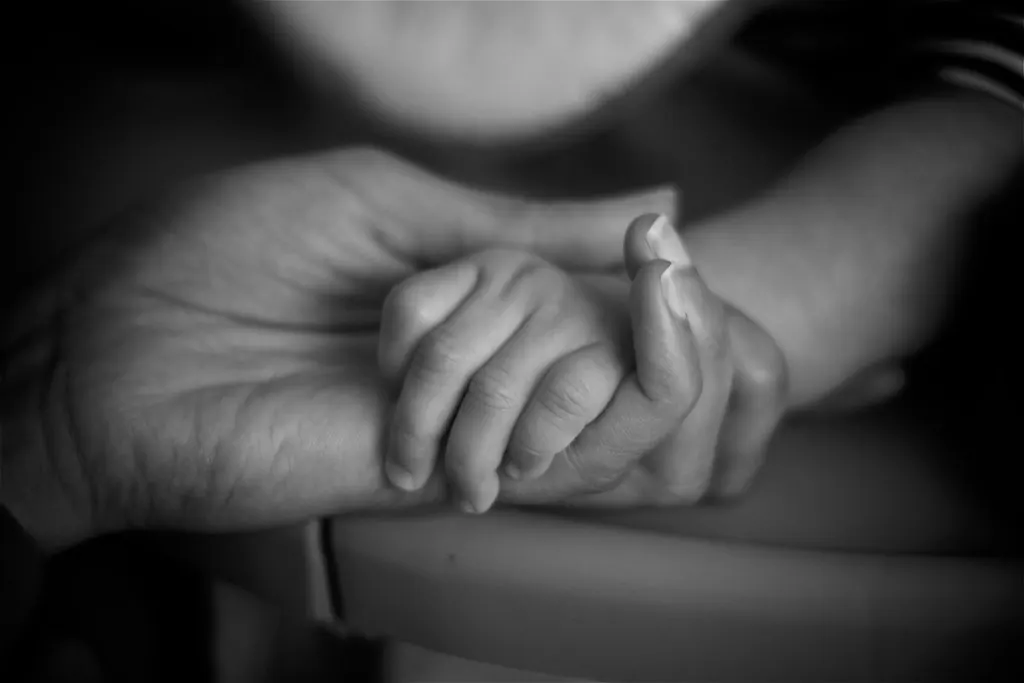
A new baby changes everything at once: your body, your sleep, your place in the family, your feelings. In Bangladesh new mothers are expected to feel nothing but joy, so sadness after birth is hardly ever talked about. But many women go through it, and help is there.
Baby blues, or depression?
The baby blues affect most new mothers in the first week: crying easily, mood swings, feeling overwhelmed. It passes within about two weeks without any treatment.
Postnatal depression lasts longer and goes deeper. It can start at any point in the first year.
Signs of postnatal depression
- Feeling low or sad most of the day, for more than two weeks
- Losing interest in things you used to enjoy, or in the baby
- Feeling worthless or guilty, or that you're a bad mother
- Constant worry or panic, including frightening thoughts of the baby coming to harm
- Not being able to sleep even when the baby sleeps, or sleeping far too much
- Losing your appetite
- Pulling away from family and friends
It isn't weakness
Postnatal depression is a health condition, like high blood pressure. It isn't caused by weak faith, a curse, or being a bad mother. It's more likely after previous depression, a difficult birth, a sick baby, money worries, family conflict, little help at home, or pressure about the baby being a girl or a boy.
How the family can help
- Let her sleep; take turns with the baby at night
- Help with the housework and the cooking
- Listen without blaming, and encourage her to see a doctor
- Hold back the comments about her feeding, the baby's weight or the baby's looks
Treatment
Talking therapy, support, and when needed medicine that is safe while breastfeeding all work well. See your doctor, or the psychiatry department of a medical college hospital.
Get help today if
You have thoughts of harming yourself or your baby, you feel you can't go on, or you're seeing or hearing things others can't. Go to a hospital emergency department or call 999 in Bangladesh. You'll be helped, not judged.