High blood pressure and pre-eclampsia in pregnancy: the signs you must not ignore
Pre-eclampsia is high blood pressure with protein in the urine after 20 weeks. It can lead to fits (eclampsia), one of the leading causes of maternal death in Bangladesh. Regular blood pressure checks catch it early.
Written by: Siratul Jannat (BMDC A-109809) · Medically reviewed by: Siratul Jannat (BMDC A-109809)
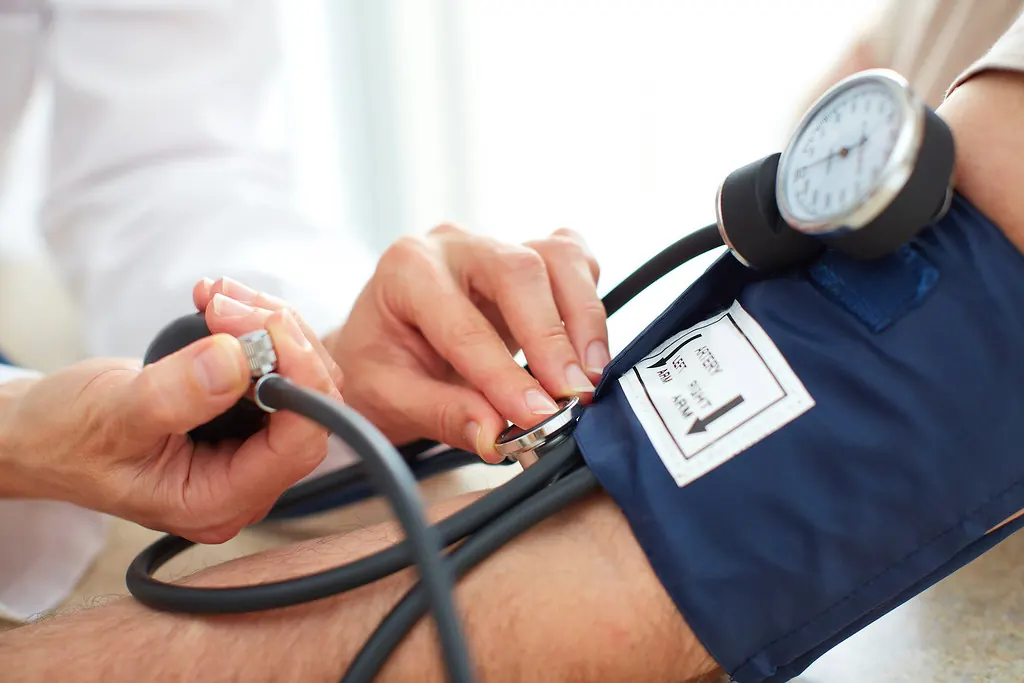
Pre-eclampsia develops in the second half of pregnancy, usually after 20 weeks. Blood pressure rises, and organs such as the kidneys, liver and brain are affected. Left untreated it can progress to eclampsia, with fits, which is one of the leading causes of maternal death in Bangladesh. The reassuring part: regular blood pressure checks pick it up early, and timely care works very well.
Warning signs
- A severe headache that won't go away
- Blurred vision, flashing lights or spots in front of the eyes
- Pain just under the ribs on the right side
- Sudden swelling of the face, hands or feet
- Vomiting late in pregnancy
- Feeling very unwell
A little swelling of the feet at the end of the day is common in pregnancy. Swelling of the face and hands, or swelling that comes on suddenly, is different.
In pregnancy, a reading of 140/90 or higher counts as high. At 160/110 or above it is severe and needs hospital treatment straight away. If you have a blood pressure machine at home, check as your doctor advises and write the readings down to show at your check-ups.
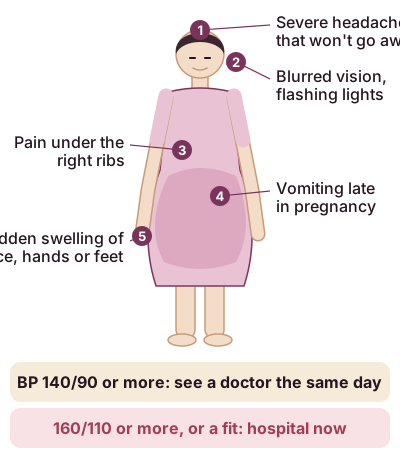
Emergency: go to hospital now
If you have any of the warning signs, or a fit, go to hospital immediately. Families need to know that a fit in pregnancy is a medical emergency, not something for a kabiraj or a healer. Magnesium sulphate, given in hospital, prevents and treats eclamptic fits.
Who's at higher risk
- A first pregnancy
- Pre-eclampsia in a previous pregnancy
- High blood pressure, diabetes or kidney disease before pregnancy
- Twins, being over 40, being overweight
- A mother or sister who had pre-eclampsia
If you're at high risk, your doctor may advise low-dose aspirin from early pregnancy. Don't start it yourself; it has to be prescribed.
How it's managed
Blood pressure, urine protein and blood tests are repeated regularly, and medicine keeps the blood pressure down. The only cure is delivering the baby, so the doctor weighs the mother's safety against how mature the baby is when deciding on timing.
After the birth
Pre-eclampsia can appear, or get worse, in the first few days after delivery. Keep having your blood pressure checked, and report any severe headache or trouble with your eyesight.