Pregnant after 35: the real risks, and the extra care you need
Study, work, marrying later or remarrying: plenty of women now have babies after 35. Some risks do rise, but most have healthy babies. How much each risk goes up, and what brings it down.
Written by: Siratul Jannat (BMDC A-109809) · Medically reviewed by: Siratul Jannat (BMDC A-109809)
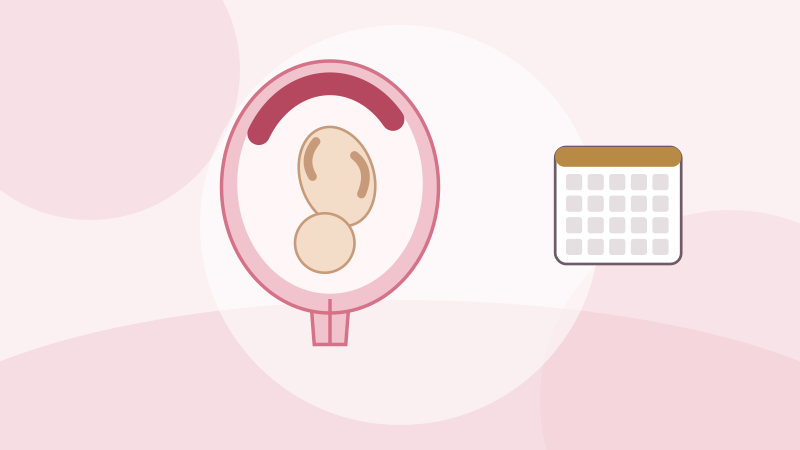
"It's dangerous to have a baby at your age." Many women past 35 hear something like this from relatives. The truth is that some risks really do rise with age, but once you know them, most can be picked up early and managed. Most women who have a baby after 35 have a healthy one.
It may take longer to get pregnant
After 35, both the number and the quality of eggs fall, and faster after 40. So the usual advice changes. Under 35, you'd see a doctor after a year of trying; after 35, see one after six months. Over 40, see one straight away.
The risks that go up
- Miscarriage, especially in the first three months. Usually that's down to a chromosome problem in the egg, not anything the mother did.
- Down syndrome and other chromosome conditions. Roughly, at birth: 1 in 350 at 35, about 1 in 100 at 40, about 1 in 25 at 45. So even at 40, 99 babies in 100 don't have Down syndrome.
- Gestational diabetes and high blood pressure, including pre-eclampsia.
- A low-lying placenta (placenta praevia), and the placenta coming away early.
- Early birth, a low-birthweight baby, and a caesarean.
- Twins, especially with fertility medicines or IVF.
For many of these, high blood pressure, diabetes or extra weight from before the pregnancy matter more than age itself. Sorting them out before you conceive lowers the risk a lot.
Before you get pregnant
- Folic acid every day, starting at least a month before.
- Have your blood pressure, blood sugar and thyroid checked, and get any condition under control first.
- If you take regular medicines, check with your doctor that they're safe in pregnancy.
- If you're overweight, try to lose a little.
The extra checks in pregnancy
- Screening for chromosome conditions. A scan at 11 to 14 weeks measuring the fluid at the back of the baby's neck (the NT scan), combined with a blood test, gives a risk figure. There's also a test of the baby's DNA in your blood (NIPT), though it costs more. If screening shows a high risk, CVS or amniocentesis can confirm it. Whether you have any of these is your choice.
- An anomaly scan at 18 to 22 weeks, to look at the baby's organs.
- An early sugar test, often at your first visit, and again at 24 to 28 weeks.
- Blood pressure and urine protein at every visit. If your risk of pre-eclampsia is high, your doctor may start a low dose of aspirin every day from 12 weeks.
- A growth scan later in pregnancy.
Where to give birth
Being over 35 doesn't mean you need a caesarean; a normal delivery is entirely possible. But give birth in a hospital that can do a caesarean and give blood if needed.
Go to hospital straight away if
- You bleed from the vagina
- You get a severe headache, blurred vision, or sudden swelling of the face or hands
- Your baby is moving less
- Your waters break or regular pains start before 37 weeks