Rh-negative blood group? Why and when you need the anti-D injection
Many women panic when their report says "O negative" or "B negative". The first pregnancy is usually fine, and an injection at the right times protects the babies that follow.
Written by: Siratul Jannat (BMDC A-109809) · Medically reviewed by: Siratul Jannat (BMDC A-109809)
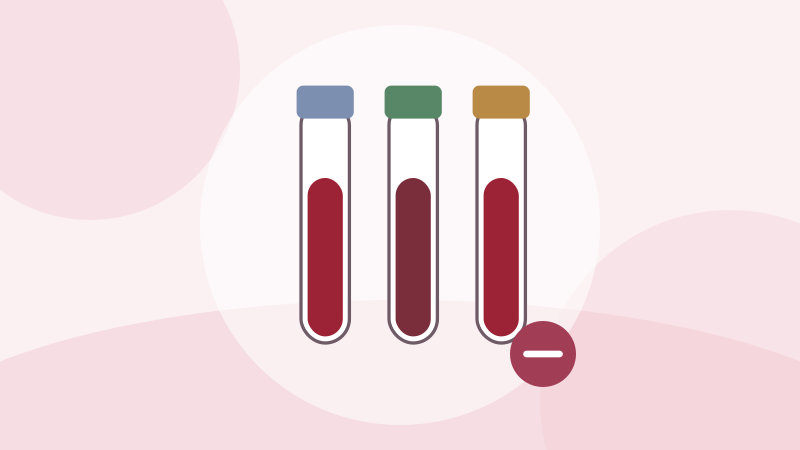
Your blood group comes with a "positive" or "negative". That refers to a protein called Rh (or D). Most people in Bangladesh are positive; a small number are negative. Being negative isn't an illness. It just needs one precaution in pregnancy.
Where the problem lies
If the mother is negative and the father positive, the baby may be positive. During the birth, or with bleeding or an injury in pregnancy, a little of the baby's blood can get into the mother's. Her body treats it as foreign and may make antibodies against it.
The first baby is usually fine, because the antibodies mostly form at or after the birth. But if the next baby is also positive, those antibodies cross the placenta and break down the baby's red blood cells. That can cause anaemia in the baby, serious jaundice after birth, and even swelling of the baby in the womb or death.
The answer: the anti-D injection
Anti-D clears any of the baby's blood that has reached the mother before her body can make antibodies. Given at the right times, it prevents the problem almost completely.
- One dose at 28 weeks, if the mother doesn't already have antibodies
- After the birth: the baby's blood group is checked. If the baby is positive, the mother has another dose within 72 hours, whether the birth was normal or a caesarean.
- Any other time the baby's blood may reach the mother: a miscarriage, an MR or abortion, an ectopic pregnancy, a molar pregnancy, bleeding in pregnancy, a blow to the belly, CVS or amniocentesis, and after turning a breech baby from outside.
The injection from one pregnancy doesn't carry over to the next; you need it each time. It's expensive and not available everywhere, so once you know you're negative, ask your doctor where to get it and tell the hospital where you plan to give birth.
The tests
- Your blood group and Rh at the first visit
- If you're negative, your husband's group. If he's negative too, the baby will be negative and you won't need the injection.
- A check for antibodies in your blood (the indirect Coombs test), at the start and before 28 weeks
If you already have antibodies
If you didn't get the injection in a past pregnancy, antibodies may already have formed. Then the injection no longer helps, but the baby needs watching: antibody levels every month and, if they're high, a Doppler scan of a blood vessel in the baby's head, which shows whether the baby is becoming anaemic. A pregnancy like this should be looked after in a large hospital that can deliver the baby early or exchange the baby's blood after birth if needed.
Remember
- Have "mother Rh negative" written on every prescription and on your delivery papers.
- Ask about anti-D after a miscarriage or MR too; it's often forgotten then.
- If your newborn's eyes or skin turn yellow in the first days, see a doctor straight away.