"Something came out when my waters broke": what Lipi's family did right
When Lipi's waters broke at home, the umbilical cord slipped out first. The family's quick, correct actions on the way to hospital helped save the baby. What every family should know about this rare emergency.
Written by: Siratul Jannat (BMDC A-109809) · Medically reviewed by: Siratul Jannat (BMDC A-109809)
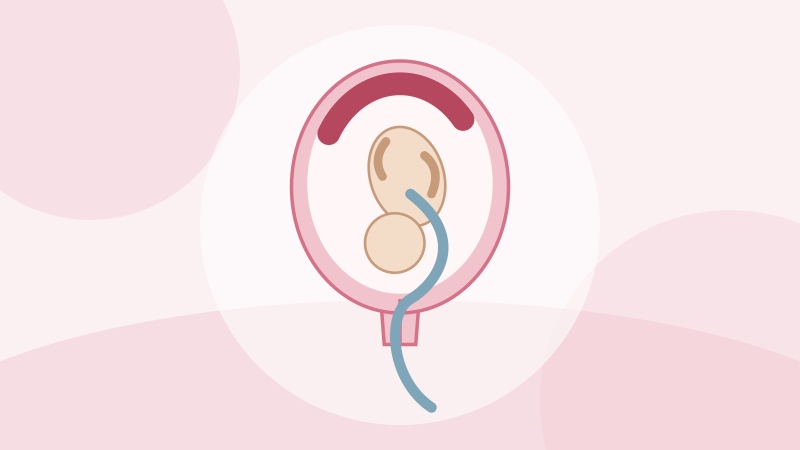
Lipi's waters broke in a single gush one afternoon at home in Jessore. She was 30, 38 weeks into her second pregnancy, and at her last check-up the baby had been lying breech (bottom-down), so she'd been told to deliver in hospital. A moment after the waters went, she felt something slippery between her legs.
Her sister-in-law had been to a community health session, and she recognised it at once: the umbilical cord had come out.
Why it's an emergency
When the cord slips down ahead of the baby, the baby's head or body can press on it and cut off the baby's oxygen. The baby needs to be born quickly, usually by emergency caesarean.
What the family got right
- They rang 999 for an ambulance, and rang the hospital to warn them.
- Lipi got onto her knees and elbows with her bottom higher than her head (the knee-chest position), which takes pressure off the cord.
- Nobody tried to push the cord back in or pull on it. They covered it gently with a clean, warm, damp cloth.
- In the ambulance, Lipi lay on her side with a pillow under her hips to keep them raised.
At the hospital
The team was waiting. The baby's heartbeat was slow, but it was there. Lipi went straight to theatre, and her daughter was born by caesarean within minutes. After a short time of help with breathing, she let out a loud cry.
Who's more at risk
- A baby lying breech or across the womb
- Waters breaking while the baby's head is still high
- Twins, or premature labour
- Too much fluid around the baby
If you're told near your due date that the baby is breech or lying across, ask your doctor what the plan is, and go to hospital straight away if your waters break.
If it ever happens to you
- Shout for help and call an ambulance (999 in Bangladesh).
- Get into the knee-chest position, or lie on your side with your hips raised.
- Don't push the cord back or pull it; keep it warm and moist with a clean cloth.
- Get to the nearest hospital that can do a caesarean, as fast as possible.
This story is illustrative. Names, places and details are made up; it is not about a real patient.